
- What Is Sushi Rice?
- Tips for Cooking and Prepping
- Recipe Variations and Substitutes
- Serving Suggestions
- Storing and Make-Ahead Tips
- FAQs
- Perfect Sushi Rice Recipe for Homemade Rolls
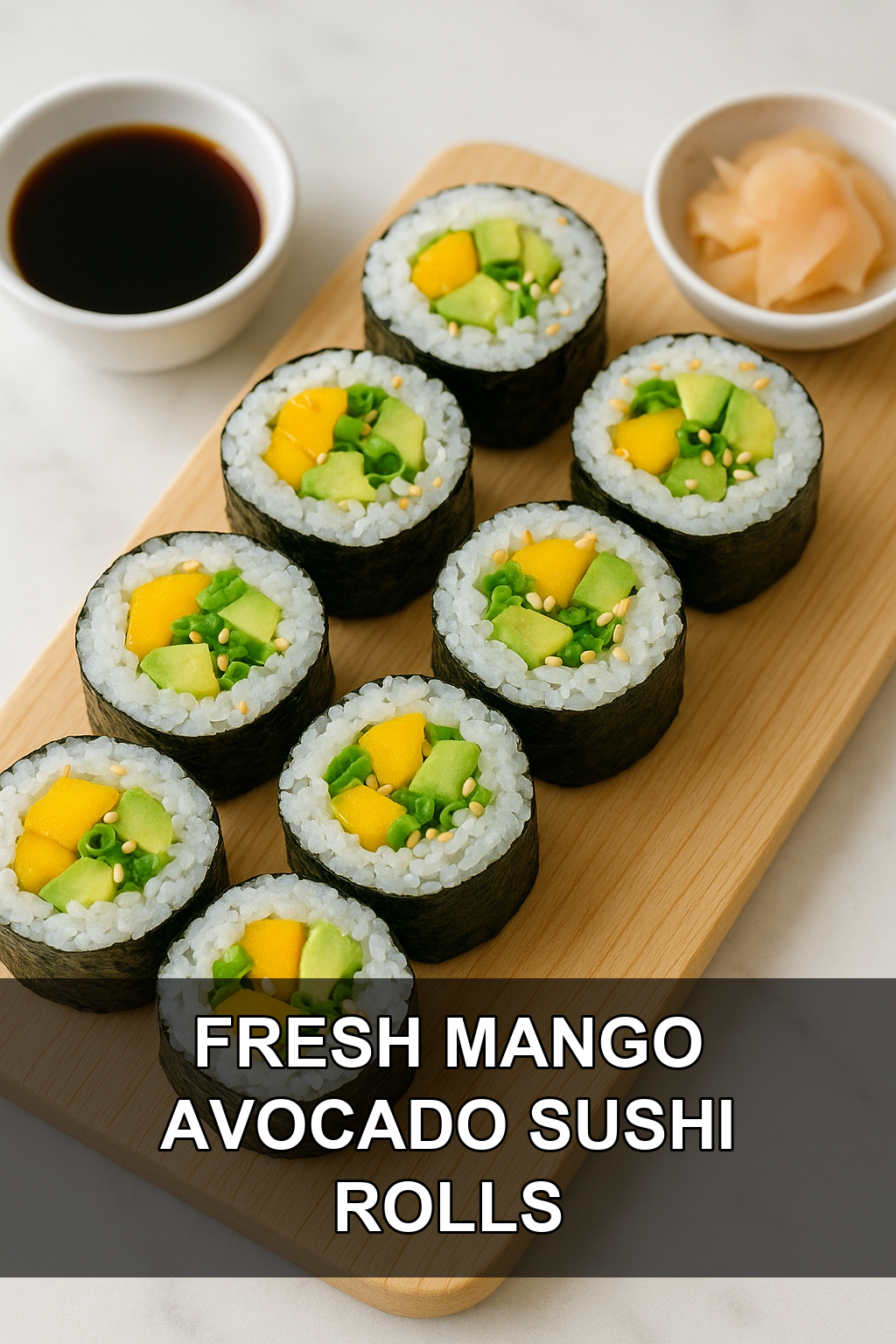
There’s something so satisfying about rolling your own sushi at home, and it all starts with the rice. Get the rice right, and everything else—from mango and avocado to green onion—falls into place for rolls that taste like they came straight from your favorite sushi counter.
What Is Sushi Rice?
Sushi rice, sometimes labeled short-grain or sushi-style rice, is a starchy variety that cooks up sticky and tender, making it the perfect base for holding rolls together. Unlike regular long-grain rice, its higher starch content gives it that signature clingy texture that lets nori sheets seal neatly around your fillings.
Once cooked, the rice is seasoned with a touch of vinegar and sweetener to give it that classic tangy-sweet flavor you recognize from restaurant sushi. In this recipe, we’re keeping it simple with seasoned rice vinegar and agave nectar, then using that rice to build fresh, veggie-and-fruit-packed rolls with mango, avocado, and green onion.
Tips for Cooking and Prepping
#1: Rinse if your rice feels extra starchy
This particular method skips rinsing for convenience, but if your sushi rice seems unusually dusty or starchy straight from the bag, a quick rinse before cooking can help prevent overly gummy rice.
#2: Let the rice cool before rolling
Hot rice is hard to work with and can make nori soggy or tear, so transfer it to a bowl and let it cool to room temperature (or just slightly warm) before you start assembling rolls.
#3: Keep a water bowl close by
Wetting your fingers before handling sushi rice keeps it from sticking to your hands, and it’s essential for sealing that last uncovered strip of nori when you finish rolling.
#4: Leave that one-inch strip bare
Skipping rice on one edge of the nori isn’t optional—it’s what lets you dampen and seal the roll shut, so don’t be tempted to cover the whole sheet.
#5: Slice with a sharp, wet knife
A dull knife will squash your roll instead of cutting through it cleanly; wipe your blade with a damp cloth between slices for neat, restaurant-style pieces.
Recipe Variations and Substitutes
This mango-avocado combination is bright and slightly sweet, but sushi rolls are endlessly customizable. Swap in cucumber strips, shredded carrot, or thinly sliced bell pepper for extra crunch, or add cooked shrimp, imitation crab, or smoked salmon if you want to bring protein into the mix. No agave on hand? Regular sugar or honey works fine in the rice seasoning, and rice vinegar without added seasoning can be doctored up with a pinch of salt and sugar.
Serving Suggestions
Serve your sliced rolls with small dishes of soy sauce, pickled ginger, and a dab of wasabi for dipping. They also pair beautifully with a simple miso soup or a light cucumber salad to round out a homemade sushi night.
Storing and Make-Ahead Tips
Sushi rice and fresh rolls are really best enjoyed the day they’re made, since the rice firms up and the nori softens as it sits. If you need to prep ahead, you can cook the rice and season it a few hours in advance, keeping it covered at room temperature until you’re ready to roll.
FAQs
Can I use regular white rice instead of sushi rice?
Short-grain sushi rice is recommended for the right sticky texture, but if you’re in a pinch, another short-grain white rice will work reasonably well. Long-grain rice tends to be too fluffy and won’t hold rolls together properly.
Do I need a sushi mat to roll these?
No, a bamboo sushi mat makes rolling a little easier and more even, but it’s not required. You can absolutely roll by hand with gentle, steady pressure and get great results.
Why is my sushi rice too mushy or too dry?
Mushy rice usually means too much water or overcooking, while dry rice often means it needs more steaming time or a splash more water. Stick closely to the water-to-rice ratio and resting times in the recipe for the best texture.
Can I make this rice without an Instant Pot?
Absolutely—the stovetop method works just as well. Simmer the rice covered for 18 to 22 minutes, then let it rest off the heat for another 10 minutes before seasoning.
How do I keep rice from sticking to my hands while rolling?
Keep a small bowl of water nearby and wet your fingertips before handling the rice. This simple trick keeps the sticky grains from clumping onto your hands instead of the nori.
Perfect Sushi Rice Recipe for Homemade Rolls
Prep time: 30 min | Cook time: 40 min | Total time: 70 min | Servings: 3
Ingredients
For the Sushi Rice
- 1 1/4 cup water
- 1 cup sushi rice (or short grain white rice)
- 1 tablespoon seasoned rice vinegar
- 1 tablespoon agave nectar
For the Rolls
- 3 nori sheets
- 1 ripe mango, sliced into strips
- 1/2 Haas avocado, sliced into strips
- 2 to 3 green onions, separated into long pieces
- 3 teaspoons sesame seeds (optional)
Instructions
- To make the rice in the Instant Pot: Combine the rice and water in the Instant Pot. Stir to combine, then lock the lid and cook for 5 minutes with a 10-minute natural release. Stir in the rice vinegar and agave nectar, then transfer to a bowl to cool.
- To make the rice on the stove: Bring the water to a boil in a saucepan on high heat, then add the rice. Cover the pan, reduce the heat, and simmer for 18 to 22 minutes. Remove the pan from the stove, but leave the lid on and let the rice steam for another 10 minutes. Stir in the rice vinegar and agave nectar, then transfer to a bowl to cool.
- Fill a small bowl with water. Grab your first nori sheet, and place it shiny side down on a dry surface. Wet your fingers in the water, and use them to spread the sushi rice all over the nori sheet, leaving about a 1-inch strip uncovered along one side.
- On the side opposite the 1-inch strip, arrange a strip of mango, avocado, and green onion. You want the ingredients to go all the way to the edge of the roll.
- It’s time to roll! Start on the side with the filling, and gently roll toward the 1-inch uncovered strip of nori, pressing gently as you go. If you have a sushi mat, you can use it, but you can roll without one. When you get to that uncovered bit of nori, dip your fingertips into the bowl of water, and sprinkle it onto that part of the nori. Gently finish rolling, pressing lightly as you roll back and forth to make a seal. Use a sharp knife to slice into pieces.
- Repeat with the remaining pieces of nori and filling ingredients. Serve immediately.
Sprinkle sesame seeds over the finished rolls or press them onto the rice before rolling for extra texture and a nutty flavor boost.
Leave a Reply
You must be logged in to post a comment.