
- What Is Nigerian Jollof Rice?
- Tips for Cooking and Prepping
- Recipe Variations and Substitutes
- Serving Suggestions
- Storing, Make-Ahead, and Freezing Tips
- FAQs
- Nigerian Jollof Rice Recipe You Need to Try
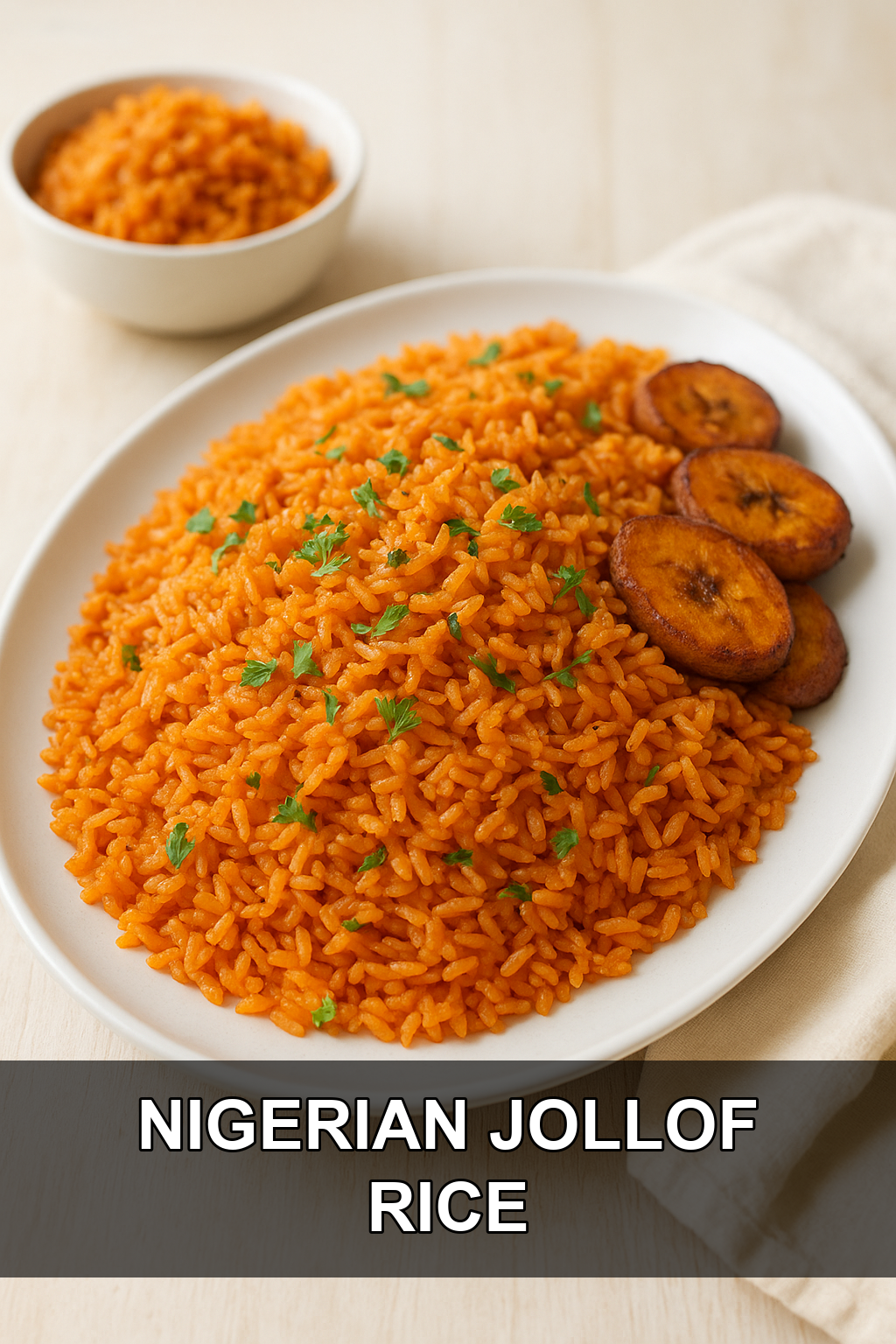
If you’ve never had real Nigerian jollof rice, get ready to fall in love. This smoky, tomato-based rice dish is packed with bold spices, a touch of heat, and that irresistible slightly-charred bottom layer everyone fights over. It’s a party-size recipe perfect for feeding a crowd, and once you make it, you’ll understand why jollof rice sparks so much friendly rivalry across West Africa.
What Is Nigerian Jollof Rice?
Jollof rice is a beloved West African one-pot rice dish cooked in a rich, seasoned tomato and pepper sauce. While Nigeria, Ghana, and Senegal all have their own beloved versions (and plenty of debate over which is best), Nigerian jollof rice is known for its deep smoky flavor, generous use of scotch bonnet or habanero peppers, and long-grain parboiled rice that soaks up every bit of the sauce.
The dish gets its signature taste from a blended base of tomatoes, onions, and peppers cooked down with stock, tomato paste, and a warm blend of spices like curry powder, thyme, and bay leaf. It’s a staple at Nigerian celebrations, weddings, and Sunday dinners, often served alongside fried plantains, chicken, or beef.
Tips for Cooking and Prepping
#1: Rinse the rice until the water runs clear
Parboiled rice holds a lot of surface starch, and rinsing it thoroughly before cooking prevents the finished jollof from turning gummy or clumpy.
#2: Blend your pepper base until completely smooth
A fully liquefied tomato, onion, and pepper mixture cooks down more evenly and gives the rice that classic uniform reddish-orange color instead of chunky bits.
#3: Adjust the habaneros to control the heat
Nigerian jollof is traditionally spicy, but you can use fewer scotch bonnet or habanero peppers if you’re cooking for a heat-sensitive crowd.
#4: Don’t skip tasting as it cooks
Because this recipe makes a large batch, check the seasoning and liquid level partway through cooking and add more stock or water if the rice looks dry before it’s fully tender.
#5: Embrace a little bottom crust
A lightly burnt layer at the bottom of the pot, often called ‘party jollof’ crust, adds a smoky flavor that’s actually prized in Nigerian cooking, so don’t panic if it happens.
Recipe Variations and Substitutes
You can swap chicken stock for beef stock, use a combination of both, or make it vegetarian with vegetable broth. Palm oil gives the most traditional flavor and color, but olive oil or avocado oil work well if you prefer a milder taste or don’t have access to palm oil.
Serving Suggestions
Nigerian jollof rice is traditionally served with fried or grilled chicken, beef, or fish, plus a side of fried plantains (dodo) and a simple coleslaw or salad. It also pairs beautifully with moi moi (steamed bean pudding) for a truly festive spread.
Storing, Make-Ahead, and Freezing Tips
Jollof rice actually tastes even better the next day once the flavors have had time to meld, making it a great make-ahead dish for parties. Store leftovers in an airtight container in the fridge for up to 5 days, or freeze in portioned bags for up to 3 months, reheating with a splash of water or stock to restore moisture.
FAQs
Why is my jollof rice mushy?
Mushy jollof usually happens from using the wrong type of rice or adding too much liquid. Stick with parboiled long-grain rice and rinse it well before cooking to keep the grains separate and firm.
What is the burnt layer at the bottom of jollof rice?
That smoky bottom crust is called ‘party jollof’ and is actually a traditional and desirable part of the dish, giving it a distinct smoky depth. If it becomes too dark or bitter, you can simply stir it in lightly or discard the darkest bits.
Can I make Nigerian jollof rice without palm oil?
Yes, olive oil or avocado oil are common substitutes that still produce a delicious jollof, though the flavor and color will be slightly milder than with red palm oil.
How spicy is Nigerian jollof rice?
Traditional jollof has noticeable heat from scotch bonnet or habanero peppers, but you can easily reduce the amount used to make a milder version without losing the signature flavor.
What’s the difference between Nigerian and Ghanaian jollof rice?
Nigerian jollof tends to use tomato paste and sauce for a deeper red color and a smokier finish, while Ghanaian jollof often uses long-grain jasmine rice and a different spice blend, giving it a slightly different texture and flavor.
Nigerian Jollof Rice Recipe You Need to Try
Prep time: 10 min | Cook time: 40 min | Total time: 50 min | Servings: 16
Ingredients
For the Pepper and Tomato Base
- 1/2 white onion
- 7 roma tomatoes
- 1 red bell pepper
- 4 habanero or scotch bonnet peppers (adjust based on heat preference)
- 1/2 cup water
For the Rice
- 8 cups parboiled rice
- 3 cups chicken and/or beef stock
- 8 ounces tomato sauce
- 4-6 ounces tomato paste
- 1/4 – 1/3 cup oil (palm oil, olive oil, or avocado oil)
- 4 maggi cubes, crushed into powder
- 2 teaspoons powdered white pepper
- 2 teaspoons curry powder
- 1 bay leaf or 1 teaspoon powdered bay leaf
- 1 teaspoon powdered thyme
- Sea salt to taste
Instructions
- Cut the tomatoes, onion, and red bell pepper into chunks, removing the seeds from the bell pepper. Place all the vegetables and the habanero or scotch bonnet peppers into a blender with 1/2 cup of water, then blend for about 2 minutes until completely liquefied and smooth.
- Thoroughly rinse the parboiled rice in warm water until the water runs clear to remove excess starch, then drain well.
- Heat a large pot over medium heat. Add the rinsed rice and oil, then pour in the blended tomato mixture, tomato paste, and tomato sauce. Add the chicken and/or beef stock, crushed maggi cubes, powdered white pepper, curry powder, bay leaf, sea salt, and powdered thyme, then stir until everything is evenly combined.
- Cover the pot and cook for about 40 minutes, stirring occasionally to prevent sticking and burning. Check the liquid level and seasoning as it cooks, adding more liquid if needed to avoid excessive burning at the bottom.
- Keep in mind that a lightly burnt bottom layer is traditional and adds a prized smoky flavor to jollof rice. If you prefer less of that flavor, stir the rice to expose the burnt portions and discard them before serving.
This recipe makes a large batch, perfect for parties or meal prepping. Leftovers taste even better the next day once the flavors have fully developed.
Leave a Reply
You must be logged in to post a comment.