
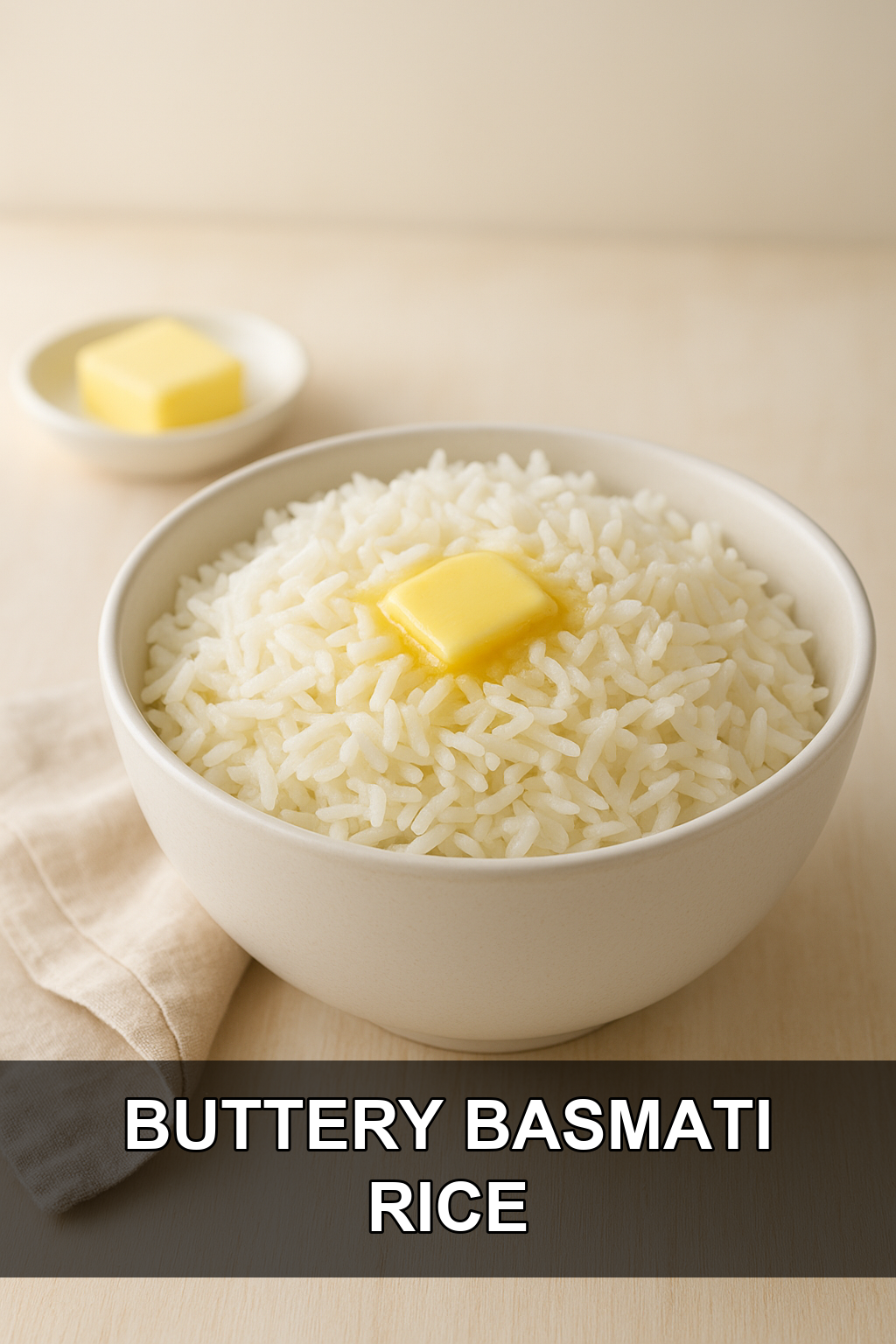
- What Is Leftover Basmati Rice Made Into?
- Tips for Cooking and Prepping
- Recipe Variations and Substitutes
- Serving Suggestions
- Storing, Make-Ahead, and Freezing Tips
- FAQs
- Buttery Basmati Rice Recipe
That container of leftover basmati rice sitting in your fridge doesn’t have to go to waste or end up as a sad, clumpy afterthought. With just a few pantry staples and 15 minutes on the stove, you can transform it into fragrant, fluffy rice that tastes freshly made and pairs with almost anything on your dinner table tonight.
What Is Leftover Basmati Rice Made Into?
Basmati rice is a long-grain rice prized for its delicate floral aroma, light texture, and the way each grain stays separate rather than clumping together like shorter-grain varieties. It’s a staple across Indian, Pakistani, and Middle Eastern cuisines, often served alongside curries, kebabs, and stews. When cooked properly, with a good rinse and the right water ratio, basmati rice becomes fluffy and fragrant rather than gummy or starchy.
This particular method focuses on getting that same restaurant-quality texture whether you’re cooking rice fresh or reviving rice you already have on hand. A little butter, salt, and careful simmering coax out the rice’s natural aroma and give you a versatile base you can serve as-is or build into a completely new meal.
Tips for Cooking and Prepping
#1: Rinse until the water runs clear
Rinsing basmati rice under cold water removes excess surface starch, which is the main culprit behind sticky, clumped rice instead of light, separate grains.
#2: Stick to the 1¾ cup water ratio
Basmati rice needs slightly less water than many other long-grain varieties, so measuring carefully (1 cup rice to 1¾ cups water) is key to avoiding mushy results.
#3: Keep the lid on tight during simmering
Trapping the steam is what cooks the rice evenly; lifting the lid to peek lets steam escape and can leave you with unevenly cooked grains.
#4: Let the rice rest before fluffing
Resting the covered pot for 5 minutes off the heat allows the moisture to redistribute, so the rice firms up just enough to fluff into distinct, tender grains.
#5: Use a fork, not a spoon, to fluff
A fork gently separates the grains without mashing them, which helps preserve that light, airy texture basmati rice is known for.
#6: Cold rice reheats better than warm rice
If you’re transforming already-cooked leftover rice, starting with rice that’s been fully chilled helps it separate more easily and absorb butter or seasoning more evenly when reheated.
Recipe Variations and Substitutes
Swap the butter for ghee or olive oil for a slightly different flavor profile, or stir in whole spices like cinnamon sticks, cardamom pods, or a bay leaf while simmering for a more fragrant, restaurant-style rice. You can also fold in sautéed onions, peas, or toasted nuts once the rice is fluffed to turn it into a simple pilaf.
Serving Suggestions
This buttery basmati rice is endlessly versatile: pile it next to curries, dals, or grilled meats, use it as a bed for stir-fried vegetables, or spoon it into a bowl and top with a fried egg for an easy weeknight dinner. It also makes a great base for fried rice, stuffed peppers, or a quick grain salad.
Storing, Make-Ahead, and Freezing Tips
Store leftover rice in an airtight container in the refrigerator for up to 4 days, and reheat it with a splash of water in a covered pan or microwave to restore moisture. For longer storage, spread cooled rice on a baking sheet to freeze individual grains before transferring to a freezer bag, where it will keep well for up to 2 months.
FAQs
How do I reheat leftover basmati rice without it drying out?
Add a tablespoon or two of water per cup of rice, cover the pan or bowl, and reheat gently over low heat or in the microwave; the added moisture steams the rice back to its original fluffy texture.
Why is my basmati rice always mushy or sticky?
This is usually caused by skipping the rinse step or using too much water; rinsing removes excess starch and measuring water precisely (1¾ cups per 1 cup rice) keeps the grains light and separate.
Can I use leftover basmati rice for fried rice?
Absolutely, leftover rice is actually ideal for fried rice because the grains have dried out slightly and separate easily in the pan without turning gummy.
Do I need to soak basmati rice before cooking?
Soaking is optional but not required for this method; rinsing thoroughly is enough to remove surface starch, though a 20-30 minute soak can result in slightly longer, more elongated grains.
How long does cooked basmati rice last in the fridge?
Properly stored in an airtight container, cooked basmati rice stays fresh in the refrigerator for up to 4 days.
Buttery Basmati Rice Recipe
Prep time: 10 min | Cook time: 15 min | Total time: 25 min | Servings: 4
Ingredients
- 1 cup basmati rice (preferably imported from India or Pakistan)
- 1¾ cups water
- 1½ tablespoons unsalted butter
- ½ teaspoon salt
Instructions
- Place the rice in a fine mesh strainer and rinse under cold running water, swishing it with your hand for 1 to 2 minutes to release excess starch. Alternatively, place the rice in a bowl, cover with water by 2 inches, gently swish, and pour off the cloudy water. Repeat about four times until the water runs almost clear, then drain in a fine mesh strainer.
- In a medium pot, bring the rinsed rice, water, butter, and salt to a boil. Cover with a tight-fitting lid, reduce the heat to a simmer, and cook for 15 to 20 minutes, until all the water is absorbed and the rice is tender.
- If the rice is still a bit firm, add a few tablespoons of water and continue cooking for a few more minutes. Remove the pot from the heat and let it sit, covered, for 5 minutes.
- Fluff the rice gently with a fork and serve warm.
For a quick way to use up leftover cooked rice instead of starting from scratch, reheat it in a covered pan with a splash of water and a small pat of butter until warmed through and fluffy again.
Leave a Reply
You must be logged in to post a comment.