
- What Is Leftover Basmati Rice?
- Tips for Cooking and Prepping
- Recipe Variations and Substitutes
- Serving Suggestions
- Storing, Make-Ahead, and Freezing Tips
- FAQs
- Perfect Basmati Rice Recipe
If you’ve ever stared at a container of leftover basmati rice wondering what to do with it, you’re in good company. The good news is that basmati rice reheats beautifully and becomes the base for dozens of quick, satisfying meals, but it all starts with cooking a perfect batch in the first place.
What Is Leftover Basmati Rice?
Leftover basmati rice is simply cooked basmati rice that wasn’t eaten the first time around, stored in the fridge (or freezer) to be used in a future meal. Basmati rice is a long-grain, fragrant rice grown primarily in India and Pakistan, prized for its delicate aroma, fluffy texture, and grains that stay separate rather than clumping together.
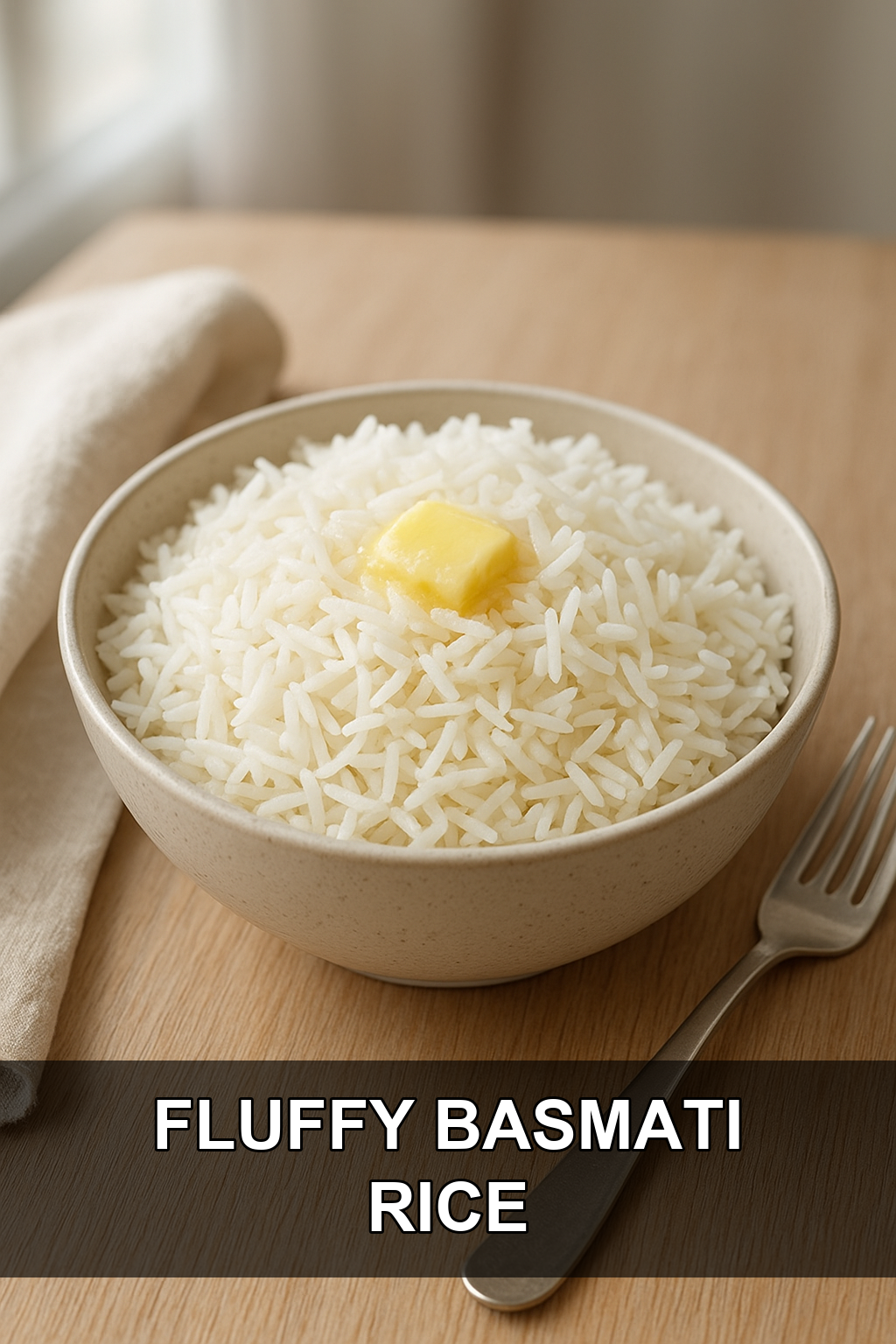
Because the grains are naturally light and non-sticky, basmati holds up exceptionally well as a leftover. It reheats without turning gluey, making it ideal for fried rice, grain bowls, stuffed vegetables, or a quick side dish revived with a pat of butter. Understanding how to cook it correctly the first time is the key to making sure your leftovers are worth saving.
Tips for Cooking and Prepping
#1: Rinse until the water runs clear
Rinsing basmati rice under cold water removes surface starch that causes clumping, which is especially important if you plan to reheat and repurpose the rice later.
#2: Don’t skip the soak
Soaking the rinsed rice for 30 minutes lets the grains fully hydrate and elongate, giving you that classic long, fluffy basmati look even after it’s been chilled and reheated.
#3: Keep the lid on while it cooks
Lifting the lid or stirring during simmering releases steam and can break the grains, so resist the urge to peek until the timer goes off.
#4: Cool leftovers quickly before storing
Spread extra rice out on a baking sheet or shallow dish to cool it fast; this prevents excess moisture buildup that can make reheated rice mushy or, worse, unsafe to eat.
#5: Fluff before you fridge it
Fluffing the rice with a fork right after cooking separates the grains so they don’t set into a solid clump, making it much easier to portion out and reheat later.
Recipe Variations and Substitutes
Swap the butter for olive oil, ghee, or coconut oil for a different flavor profile, or stir in whole spices like cardamom pods, a cinnamon stick, or bay leaf while the rice cooks for a fragrant twist. You can also use vegetable, chicken, or coconut broth instead of water to build extra flavor right into the base rice, which pays off later when you’re turning leftovers into fried rice, pilaf, or stuffed peppers.
Serving Suggestions
Freshly made basmati rice is a natural partner for curries, dals, grilled kebabs, or roasted vegetables, and a small pat of butter or ghee stirred in right before serving adds richness. Leftover basmati shines in fried rice with scrambled eggs and vegetables, tucked into burrito bowls, simmered into a quick rice pudding, or crisped up in a skillet with a little oil until the edges turn golden and crunchy.
Storing, Make-Ahead, and Freezing Tips
Cooked basmati rice keeps well in an airtight container in the refrigerator for 4 to 5 days, making it a great meal-prep staple. For longer storage, spread cooled rice on a tray to freeze individual portions, then transfer to freezer bags for up to 2 months; reheat straight from frozen with a splash of water in the microwave or a covered skillet.
FAQs
How do I reheat leftover basmati rice without it drying out?
Add a tablespoon or two of water per cup of rice, cover loosely, and microwave in short bursts, stirring in between, or reheat in a covered skillet over low heat with a splash of water or butter.
Is it safe to eat leftover basmati rice?
Yes, as long as it was cooled quickly after cooking and stored in an airtight container in the fridge within an hour or two of cooking, leftover basmati rice is safe to eat for 4 to 5 days.
Why is my basmati rice mushy or sticky?
Mushy rice usually means too much water was used, the rice wasn’t rinsed thoroughly, or the lid was lifted during cooking, all of which affect starch and moisture levels.
Can I freeze leftover basmati rice?
Absolutely, basmati rice freezes very well; just cool it completely, portion it into airtight bags or containers, and freeze for up to 2 months before reheating.
What’s the best ratio of water to basmati rice?
For fluffy, separate grains, use a ratio of about 1¾ cups water to 1 cup rinsed and soaked basmati rice, adjusting slightly depending on your stovetop and pan.
Perfect Basmati Rice Recipe
Prep time: 5 min | Cook time: 25 min | Total time: 30 min | Servings: 4
Ingredients
- 1 cup basmati rice, uncooked
- 1¾ cups water
- salt, to taste
- 2 tablespoons unsalted butter
Instructions
- Begin by thoroughly rinsing the rice under cold water. Use a fine-mesh strainer and rinse until the water runs clear. This removes excess starch and prevents the rice from sticking together. After rinsing, soak the rice in fresh water for 30 minutes to let the grains expand fully and cook evenly. Drain the rice and let all the excess water drip off.
- In a medium saucepan, bring the 1¾ cups of water to a boil. Add the salt and butter at this stage.
- Add the drained rice to the boiling water and stir gently. Reduce the heat to low, cover the saucepan with a tight-fitting lid, and simmer for 15-20 minutes. Avoid lifting the lid or stirring the rice while it cooks so the grains don’t break.
- After about 15 minutes, check the rice. The water should be absorbed and the rice tender but not mushy. If it needs more time, cook for an additional 5 minutes.
- Turn off the heat and let the rice sit, covered, for 5 minutes so it can finish steaming and the grains can firm up slightly.
- Fluff the rice gently with a fork to separate the grains, then serve as a side dish or use as the base for another recipe.
This basic method makes the ideal batch of basmati rice for turning into leftovers — double the recipe if you’re planning to use extra for fried rice, grain bowls, or stuffed vegetables later in the week.
Leave a Reply
You must be logged in to post a comment.