
- What Is Bibimbap?
- Tips for Cooking and Prepping
- Recipe Variations and Substitutes
- Serving Suggestions
- Storing and Make-Ahead Tips
- FAQs
- Easy Korean Ground Beef Bibimbap Bowls Recipe
If you’re craving bold Korean flavors without a special trip to a specialty grocery store, these Korean Ground Beef Bibimbap Bowls are about to become your new weeknight hero. Sweet-savory beef, a fried egg, and quick-pickled veggies all piled over rice come together in about 30 minutes for way less than takeout. It’s the kind of meal that feels fancy but is secretly one of the cheapest dinners in your rotation.
What Is Bibimbap?
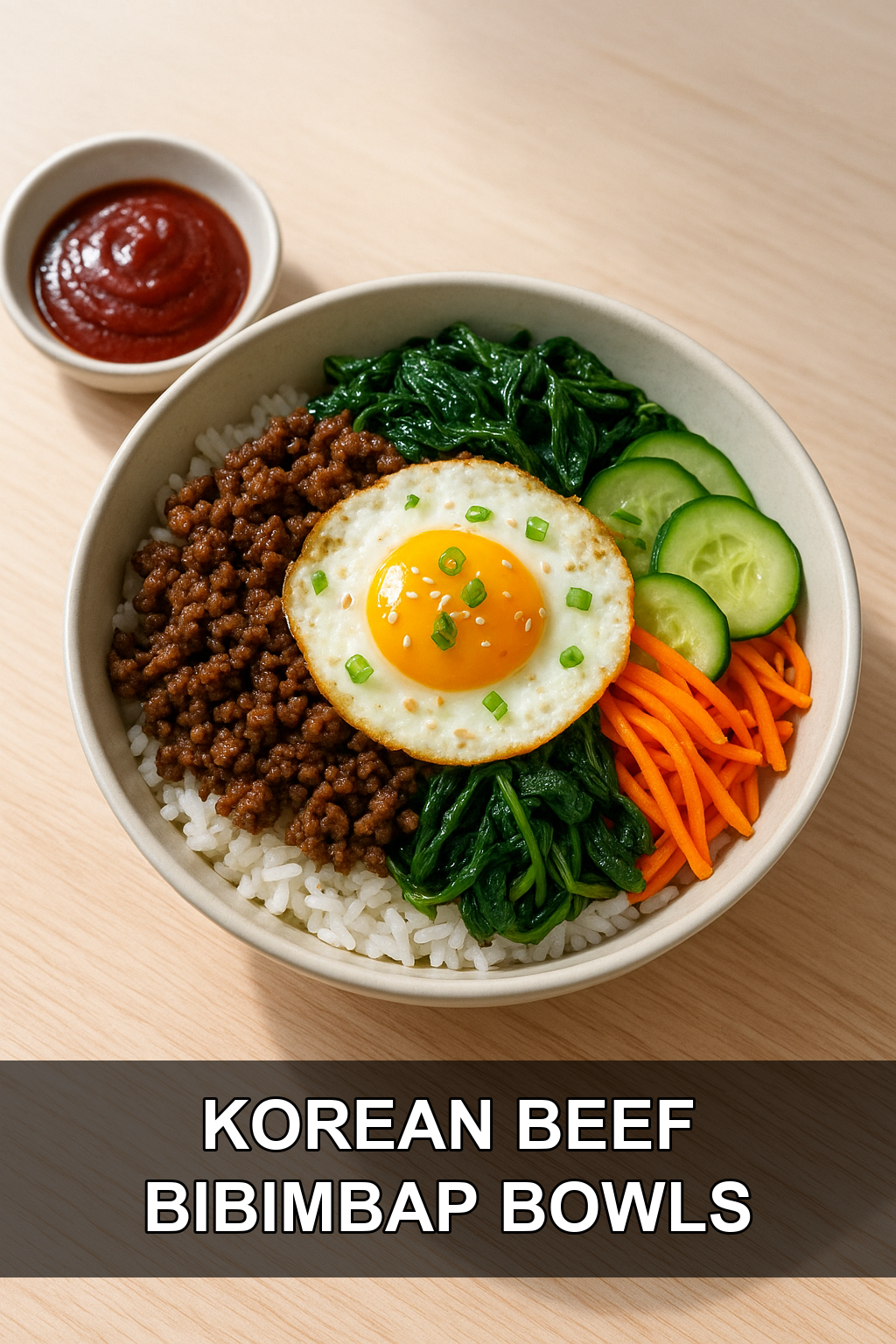
Bibimbap literally translates to “mixed rice” in Korean, and it’s exactly that — a bowl of warm rice topped with an assortment of seasoned vegetables, a protein, a fried egg, and a spoonful of spicy-sweet gochujang sauce, all mixed together right before eating. Traditionally it’s made with thinly sliced marinated beef (bulgogi), but ground beef is a fantastic, budget-friendly shortcut that still delivers all that same sweet-salty-savory flavor.
This version keeps things simple and affordable by swapping expensive cuts of beef for humble ground beef, using everyday veggies like carrots, spinach, and cucumber, and relying on pantry staples like soy sauce, brown sugar, and garlic to build that signature Korean flavor. It’s a great way to introduce your family to a new cuisine using ingredients you probably already have on hand.
Tips for Cooking and Prepping
#1: Use the cheapest ground beef you can find
Since the beef gets browned and simmered in a flavorful sauce, an 80/20 or even 85/15 blend works perfectly — there’s no need to buy lean or premium ground beef for this recipe.
#2: Prep your veggies while the rice cooks
Get your rice going first, then use that 15-20 minutes to quickly saute or quick-pickle your vegetable toppings so everything finishes around the same time.
#3: Don’t skip toasting the sesame oil and garlic
Adding sesame oil and garlic near the end of cooking the beef (rather than at the very start) helps keep their flavor bright and fragrant instead of bitter or burnt.
#4: No gochujang? Make a simple substitute
If your grocery store doesn’t carry gochujang or it’s out of your budget, mix sriracha or another hot sauce with a little brown sugar and soy sauce for a similar sweet-spicy kick.
#5: Batch-cook rice to save time and money
Cook a big pot of rice at the start of the week and portion it out — rice is one of the cheapest bases you can build a meal around, and it reheats beautifully.
#6: Fry your eggs last, in the same pan
Cook the eggs in the same skillet you used for the beef so you don’t dirty extra dishes, and the slight beef flavor left in the pan only adds to the eggs.
Recipe Variations and Substitutes
This recipe is endlessly adaptable to whatever you have in your fridge or budget. Swap ground beef for ground turkey or chicken if that’s what’s on sale, use frozen mixed vegetables instead of fresh, or top with shredded cabbage instead of spinach. You can also make it low-carb by serving the mixture over riced cauliflower or a bed of greens instead of rice.
Serving Suggestions
Serve these bowls with a simple cucumber salad or a side of kimchi if you have it on hand, though it’s totally optional. A sprinkle of extra sesame seeds and sliced green onion on top makes the bowls feel extra special without costing much at all.
Storing and Make-Ahead Tips
Bibimbap bowls are great for meal prep — just store the rice, beef, and veggies in separate containers in the fridge for up to 4 days so everything stays fresh and doesn’t get soggy. Fry the eggs fresh right before serving for the best texture.
FAQs
Can I freeze Korean ground beef bibimbap?
Yes, the cooked ground beef mixture freezes well for up to 3 months in an airtight container — just thaw it in the fridge overnight and reheat before serving over fresh rice and veggies.
What vegetables work best for bibimbap bowls?
Classic choices include shredded carrots, spinach, bean sprouts, cucumber, and mushrooms, but really any veggie you have on hand works — zucchini, cabbage, and bell peppers are great budget-friendly options too.
Is gochujang necessary for this recipe?
Gochujang adds authentic flavor but isn’t required — a mix of sriracha, brown sugar, and soy sauce makes a great substitute if you can’t find it or want to save money.
Can I make this recipe without an egg?
Absolutely, the fried egg is a traditional topping but the bowls are still delicious and filling without it, especially if you’re trying to stretch your grocery budget further.
What’s the cheapest way to make this meal feed a big family?
Bulk up the rice-to-beef ratio, add extra frozen or in-season vegetables, and use a full pound and a half of ground beef with the same amount of sauce to feed more people without much added cost.
Easy Korean Ground Beef Bibimbap Bowls Recipe
Prep time: 15 min | Cook time: 20 min | Total time: 35 min | Servings: 4
Ingredients
For the Beef
- 1 lb ground beef
- 3 cloves garlic, minced
- 1/4 cup soy sauce
- 2 tbsp brown sugar
- 1 tbsp gochujang (or sriracha + extra brown sugar)
- 1 tsp sesame oil
- 1/4 tsp black pepper
For the Bowls
- 3 cups cooked white rice
- 2 cups fresh spinach
- 1 cup shredded carrots
- 1 cup sliced cucumber
- 4 eggs
- 1 tbsp vegetable oil (for frying eggs)
- 2 green onions, sliced
- 1 tbsp sesame seeds
- Extra soy sauce or gochujang, for serving
Instructions
- Cook rice according to package directions if not using pre-cooked rice; set aside and keep warm.
- While rice cooks, quickly saute the spinach in a lightly oiled skillet for 1-2 minutes until just wilted, season with a pinch of salt, and set aside.
- In the same skillet, add ground beef and cook over medium-high heat, breaking it up with a spoon, until browned and no longer pink, about 5-7 minutes; drain excess fat.
- Stir in garlic, soy sauce, brown sugar, gochujang, sesame oil, and black pepper. Simmer for 3-4 minutes until the sauce thickens slightly and coats the beef.
- In a separate pan, heat vegetable oil over medium heat and fry the eggs sunny-side up, keeping the yolks runny for the best bibimbap experience.
- Divide warm rice among 4 bowls. Top each with a portion of the beef mixture, sauteed spinach, shredded carrots, and sliced cucumber.
- Place a fried egg on top of each bowl and garnish with sliced green onions and sesame seeds.
- Serve immediately with extra soy sauce or gochujang on the side, mixing everything together right before eating.
For a spicier kick, add extra gochujang or a drizzle of sriracha before serving. Leftover beef mixture makes a great filling for rice bowls, lettuce wraps, or even quesadillas the next day.
Leave a Reply
You must be logged in to post a comment.