
- What Is Bibimbap?
- Tips for Cooking and Prepping
- Recipe Variations and Substitutes
- Serving Suggestions
- Storing, Make-Ahead, and Freezing Tips
- FAQs
- Korean Bibimbap Recipe: Recreate Authentic Flavors at Home
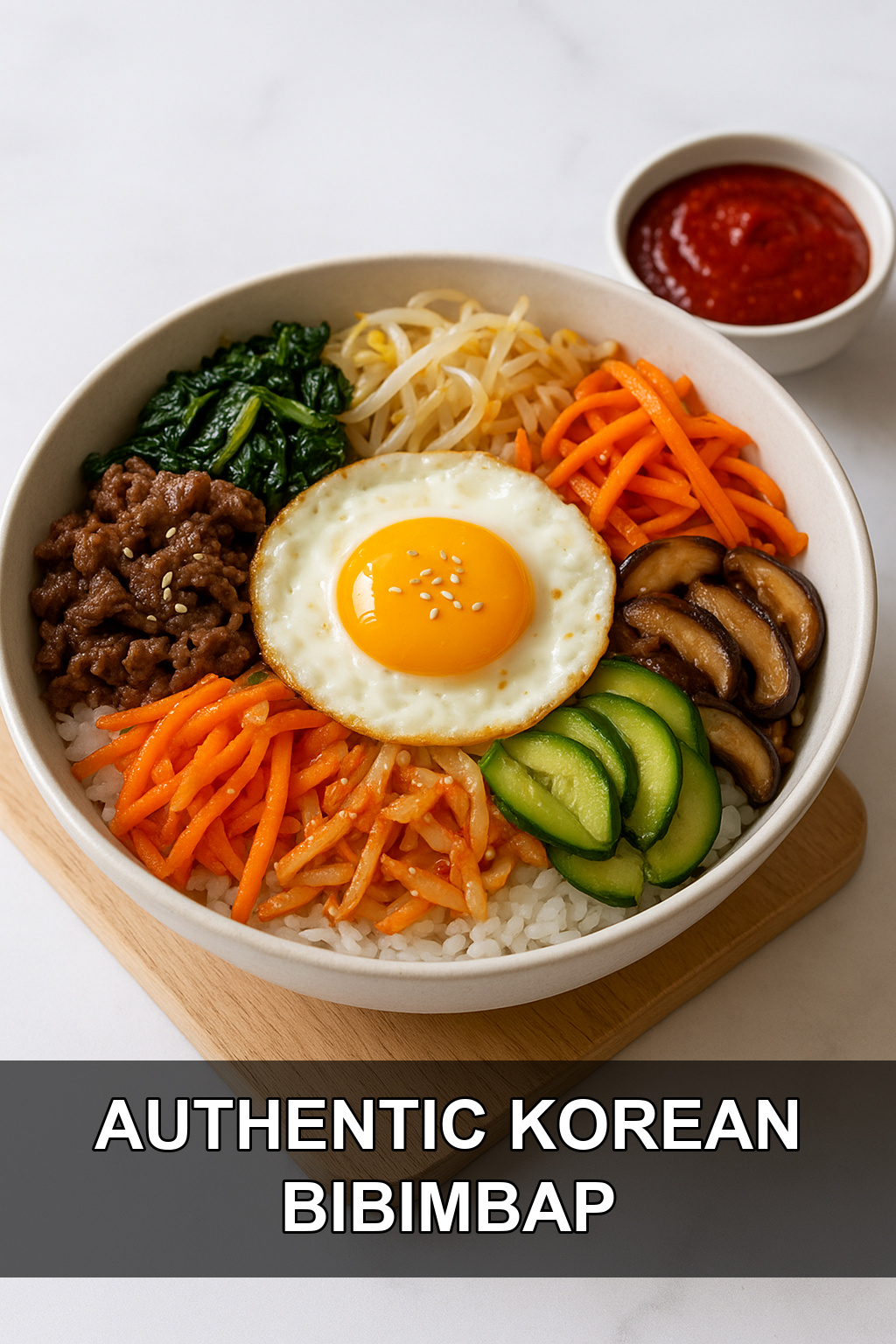
There’s something magical about a bowl of bibimbap — the way a rainbow of seasoned vegetables, savory beef, and a spicy-sweet sauce all come together over warm rice. This homemade version walks you through every component, from blanched spinach to spicy radish salad, so you can build an authentic bibimbap bowl right in your own kitchen.
What Is Bibimbap?
Bibimbap, which literally translates to “mixed rice,” is one of Korea’s most beloved comfort foods. It’s traditionally served as a bowl of warm rice topped with an assortment of seasoned vegetables (called namul), marinated beef, a fried egg, and a dollop of gochujang-based sauce, all meant to be mixed together right before eating.
While the exact vegetables can vary by region and season, the beauty of bibimbap lies in its balance — a little sweet, a little spicy, a little savory, and lots of texture in every bite. It’s often served in a hot stone bowl (dolsot bibimbap), which creates a crispy layer of rice at the bottom that’s just as delicious as the toppings themselves.
Tips for Cooking and Prepping
#1: Cook the rice a touch drier than usual
Bibimbap rice should hold its shape and not turn mushy once mixed with all the toppings and sauce, so use slightly less water than you normally would and skip the soaking step.
#2: Prep your vegetables in stages
Since each vegetable has its own cooking method (blanching, sautéing, or salting), work through them one at a time and reuse the same pot or skillet to save on cleanup.
#3: Shock blanched vegetables in cold water
Quickly plunging the spinach and bean sprouts into cold water after blanching stops the cooking process and keeps their color bright and texture crisp-tender.
#4: Don’t skip salting the cucumbers
Salting and squeezing the cucumbers draws out excess moisture, preventing a watery bowl and concentrating their fresh, crunchy flavor.
#5: Mince all your garlic at once
Since several components each call for small amounts of minced garlic, mince it all together at the start (about 2.5 teaspoons total) to streamline your prep.
#6: Arrange toppings before mixing
Take a moment to nicely arrange each vegetable and the beef in small mounds around the bowl — it not only looks beautiful but makes it easy to mix evenly once you dig in.
Recipe Variations and Substitutes
Bibimbap is wonderfully flexible, so feel free to swap in whatever vegetables are in season or available in your fridge. Zucchini, bell peppers, bracken fern (gosari), or bellflower root (doraji) are all traditional additions, and ground beef can easily stand in for sliced beef if that’s what you have on hand. For a vegetarian version, simply skip the beef and add extra mushrooms or tofu, and use a vegetarian-friendly gochujang sauce.
Serving Suggestions
Serve bibimbap as a hearty standalone meal with the sauce on the side so everyone can adjust the spice level to their liking. It pairs beautifully with a light cucumber kimchi or a simple miso-based soup to round out the meal, and a cold glass of barley tea is a refreshing, traditional accompaniment.
Storing, Make-Ahead, and Freezing Tips
Each component of bibimbap can be prepped and stored separately in the refrigerator for up to 3-4 days, making it a fantastic make-ahead meal for busy weeknights. Keep the rice, vegetables, beef, and sauce in separate airtight containers and simply reheat and assemble when ready to eat. Freezing isn’t recommended for the fresh vegetables, but the cooked, seasoned beef can be frozen for up to a month.
FAQs
Can I make bibimbap vegetarian or vegan?
Yes, simply omit the beef and egg, and add extra mushrooms, tofu, or additional vegetables for protein and heartiness. Just double-check your gochujang and soy sauce are vegan-friendly.
What is the best rice to use for bibimbap?
Short grain rice is ideal because it’s sticky enough to hold together but still separates nicely when mixed with the toppings and sauce.
How do I make dolsot (stone bowl) bibimbap?
Lightly coat a hot stone or earthenware bowl with sesame oil, add your rice and toppings, and cook over medium heat for a few minutes until you hear the rice sizzling and forming a crispy crust on the bottom.
Can I use a different protein instead of beef?
Absolutely — ground beef, chicken, tofu, or even leftover bulgogi all work well in place of sliced rib eye or sirloin.
Why is my bibimbap watery?
This usually happens when vegetables like cucumbers or spinach aren’t properly drained or squeezed of excess liquid before seasoning, so be sure to press out as much water as possible.
Korean Bibimbap Recipe: Recreate Authentic Flavors at Home
Prep time: 25 min | Cook time: 30 min | Total time: 55 min | Servings: 4
Ingredients
For the Rice
- 3 cups short grain rice
For the Beef
- 8 ounces thinly sliced tender beef (rib eye, sirloin, etc. or ground beef)
- 1.5 tablespoons soy sauce
- 2 teaspoons sugar
- 2 teaspoons sesame oil
- 2 teaspoons cooking rice wine (Mirin or Mirim)
- 1 teaspoon minced garlic (part of the 2.5 teaspoons total)
- 1 tablespoon chopped scallion
- pepper to taste
For the Bean Sprouts
- 8 ounces mung bean sprouts (sukju) or soybean sprouts (kongnamul)
- 1/2 teaspoon minced garlic
- 1 teaspoon sesame oil
- 1/2 teaspoon sesame seeds
- salt, to taste
For the Spinach
- 1 bunch spinach, about 8 ounces
- 1 tablespoon chopped scallion
- 1/2 teaspoon minced garlic
- 1 teaspoon sesame oil
- 1/2 teaspoon sesame seeds
- salt, to taste
For the Cucumbers
- 2 small cucumbers, about 5 ounces
- 1 tablespoon chopped scallion
- 1/2 teaspoon minced garlic
- 1 teaspoon sesame oil
- 1/2 teaspoon sesame seeds
- salt, to taste
For the Mushrooms and Carrots
- 4 ounces mushrooms (shiitake, white, cremini, etc.)
- 2 medium carrots, about 5 ounces
- cooking oil
- salt, to taste
For the Kongnamul (Soybean Sprouts)
- 8 ounces kongnamul (soybean sprouts)
- 1/2 teaspoon minced garlic
- 1 teaspoon sesame oil
- 1/2 teaspoon sesame seeds
- salt, to taste
For the Musaengchae (Spicy Radish Salad)
- 10 ounces mu (Korean radish), cut into matchsticks
- 2 tablespoons chopped scallion
- 1 tablespoon gochugaru
- 1 teaspoon minced garlic
- 1/2 teaspoon salt, or to taste
- 1 teaspoon sugar
- 1 teaspoon sesame seeds
For the Eggs and Finishing
- 4 eggs (optional)
- sesame oil, for drizzling
- sesame seeds, for garnish
For the Bibimbap Sauce
- 4 tablespoons gochujang
- 2 teaspoons sugar, adjust to taste (1-3 teaspoons)
- 1 tablespoon sesame oil
- 1 tablespoon water
Instructions
- Cook the rice without soaking it, using slightly less water than usual so the rice turns out a bit drier than normal — this works best for bibimbap.
- For the beef, slice into thin 2-inch strips and mix with soy sauce, sugar, sesame oil, rice wine, chopped scallion, minced garlic, half the sesame seeds, and a pinch of pepper. Marinate for 20 minutes, then sauté in a hot skillet for 2-3 minutes.
- For the bean sprouts, bring 2 cups of water to a boil and blanch the sprouts for about 1 minute, flipping once. Drain, shock in cold water, and drain again. Toss with minced garlic, sesame oil, sesame seeds, and salt.
- For the spinach, blanch in salted boiling water until just wilted, about 40 seconds. Drain, shock in cold water, and squeeze out excess liquid. Cut into 3-inch lengths and toss with scallion, garlic, sesame oil, sesame seeds, and salt.
- For the cucumbers, halve lengthwise and thinly slice crosswise. Sprinkle generously with salt and let sit for 10-15 minutes, then squeeze out excess liquid. Toss with scallion, garlic, sesame oil, and sesame seeds.
- For the mushrooms and carrots, thinly slice each and sauté separately in a lightly oiled skillet over medium-high heat for 1-2 minutes, seasoning with salt.
- For the kongnamul, bring 2 cups of water to a boil and boil the soybean sprouts for 2-3 minutes. Drain, shock in cold water, and drain again. Toss with minced garlic, sesame oil, sesame seeds, and salt to taste.
- For the musaengchae, cut the Korean radish into matchsticks and combine with chopped scallion, gochugaru, minced garlic, salt, sugar, and sesame seeds. Mix well.
- Fry the eggs sunny side up, or to your preferred doneness.
- Combine all sauce ingredients in a small bowl and mix thoroughly.
- Place a serving of rice into a large bowl. Arrange a small portion of each prepared vegetable and beef neatly on top. Drizzle with a little sesame oil, top with a fried egg if desired, and serve with the sauce on the side.
- For dolsot bibimbap, lightly coat a hot stone or earthenware bowl with a teaspoon of sesame oil over medium heat, add a serving of rice, arrange the toppings on top, and cook for several minutes until the rice sizzles and crisps at the bottom.
Feel free to swap in seasonal vegetables like zucchini or bell peppers, and adjust the spice level of the sauce by adding more or less gochujang and sugar to taste.
Leave a Reply
You must be logged in to post a comment.