
- What Is Bibimbap?
- Tips for Cooking and Prepping
- Recipe Variations and Substitutes
- Serving Suggestions
- Storing and Make-Ahead Tips
- FAQs
- Authentic Korean Bibimbap Recipe
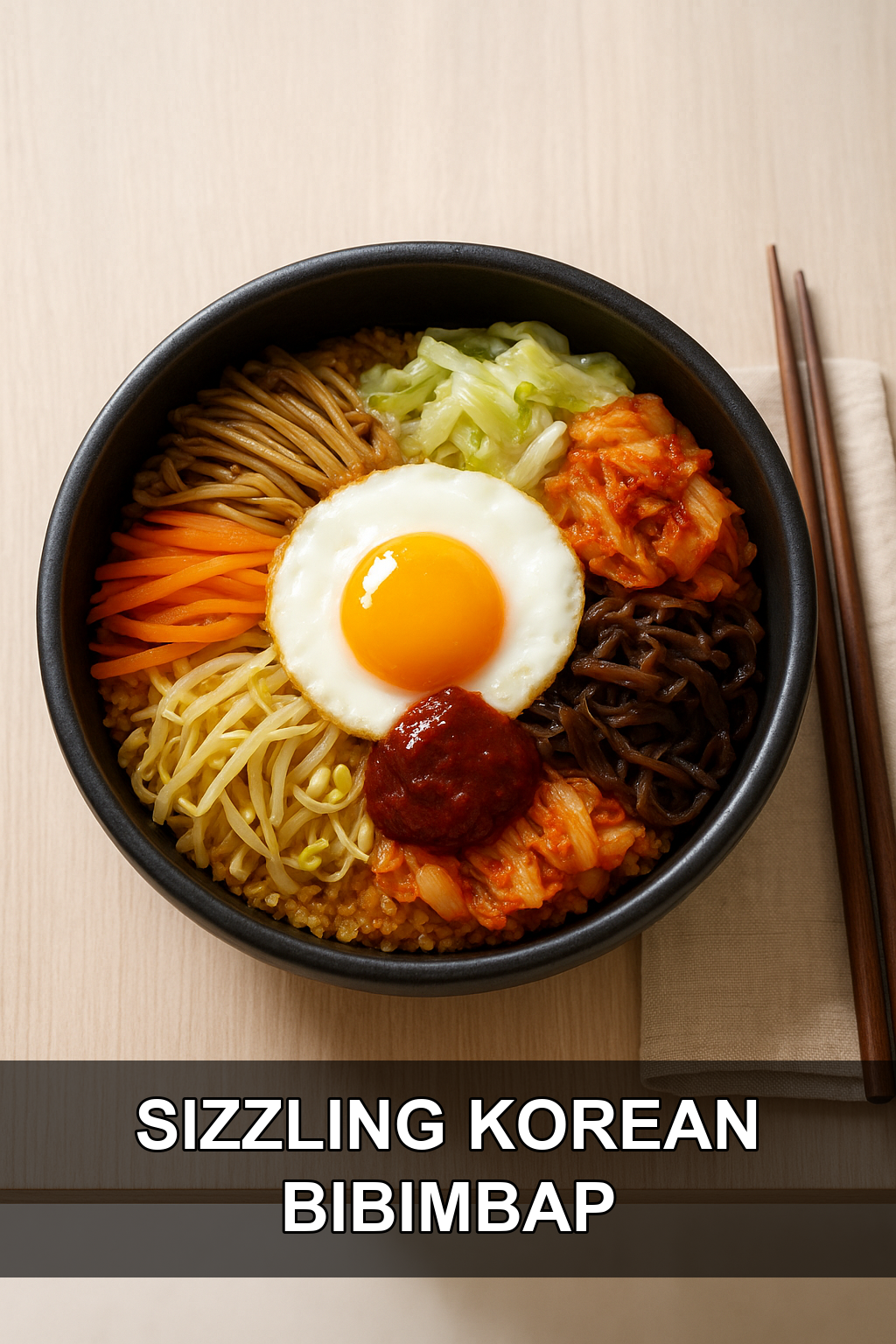
If you’ve got a bowl of leftover rice sitting in the fridge, you’re closer to a fantastic dinner than you think. This Korean bibimbap recipe turns humble ingredients like mushrooms, bean sprouts, kimchi, and a soft-fried egg into a sizzling, crispy-bottomed bowl of comfort that tastes like it came straight from a Seoul side street.
What Is Bibimbap?
Bibimbap literally means “mixed rice,” and it’s one of Korea’s most beloved comfort dishes. Traditionally served in a hot stone or clay pot called a dolsot, it layers warm rice with an assortment of seasoned vegetables, a fried or raw egg, and a generous dollop of gochujang (Korean hot sauce) and sometimes doenjang (Korean soybean paste), all stirred together right at the table.
What makes this version so satisfying is the casserole method: heating the rice in an oiled pot over medium-low heat until the bottom turns golden and crisp creates that irresistible toasted rice crust, called nurungji, which is honestly half the reason people fall in love with bibimbap in the first place.
Tips for Cooking and Prepping
#1: Use day-old rice for the best crust
Leftover rice is slightly dried out, which helps it crisp up beautifully against the hot, oiled casserole instead of turning mushy or sticking in a clump.
#2: Blanch vegetables separately by texture
Simmer the bean sprouts a little longer than the enoki, mushrooms, and fungus since they need more time to soften while the others cook quickly and can turn rubbery if overdone.
#3: Keep the egg yolk soft
A soft-fried egg with a runny center is what ties the whole bowl together, so fry it just until the white sets and let the yolk stay loose to mix into the rice.
#4: Don’t skip the sizzle
Once everything is layered in the casserole, give it a few minutes over medium-low heat until you hear that telltale sizzling sound and smell a light toasty aroma — that’s your cue the rice crust is forming.
#5: Fan the vegetables, don’t pile them
Arranging the vegetables in small separate mounds around the rice instead of dumping them together keeps each ingredient’s flavor and color distinct before you stir everything up.
#6: Season at the table, not before
Add the gochujang and doenjang right at the end so you can control the heat and saltiness to your own taste as you mix.
Recipe Variations and Substitutes
This bibimbap is easily customizable depending on what’s in your fridge. Swap in spinach, zucchini, or shredded radish for extra color, or add thin strips of marinated beef (bulgogi) if you want a non-vegetarian version. You can also use brown rice or a rice-and-grain mix instead of white rice, and adjust the gochujang-to-doenjang ratio to make it spicier or milder.
Serving Suggestions
Serve your bibimbap straight from the casserole with a large spoon so everyone can scrape up the crispy rice at the bottom along with the soft vegetables and egg. A side of extra kimchi, a light cucumber salad, or a simple miso soup rounds out the meal nicely.
Storing and Make-Ahead Tips
Bibimbap is best enjoyed fresh since the crispy rice crust softens once stirred and stored, but you can prep the vegetables and rice ahead of time and assemble just before cooking. Store any leftover mixed bibimbap in an airtight container in the fridge for up to 2 days and reheat in a skillet to bring back some of that crisp texture.
FAQs
Do I need a stone pot to make bibimbap?
No, a regular casserole dish or heavy-bottomed pot works just fine, as this recipe shows. You just need something that holds heat well enough to crisp the rice at the bottom.
Can I make bibimbap vegetarian or vegan?
Yes, this version is already meat-free, relying on mushrooms, fungus, bean sprouts, and kimchi for flavor and texture. Just swap the egg for extra tofu or leave it off entirely to make it fully vegan.
What’s the difference between gochujang and doenjang?
Gochujang is a spicy, slightly sweet fermented red chili paste, while doenjang is a savory, salty fermented soybean paste similar to miso. Using both together gives bibimbap its signature balance of heat, sweetness, and umami.
Why is my rice not getting crispy?
Fresh rice has too much moisture to crisp properly, so use leftover, slightly dried-out rice and make sure your casserole is well-oiled and heated over medium-low heat for a few minutes without stirring.
Can I use fresh vegetables instead of blanching them?
Blanching softens tougher vegetables like bean sprouts and mushrooms so they mix easily into the rice, but you can use raw shredded carrots or cabbage for extra crunch if you prefer more texture.
Authentic Korean Bibimbap Recipe
Prep time: 15 min | Cook time: 15 min | Total time: 30 min | Servings: 2
Ingredients
For the Bibimbap
- 1 serving leftover rice
- 50g enoki mushroom
- 50g mushroom
- 50g green cabbage heart, sliced
- 50g carrot strips
- 2 shallots, sliced
- 50g fungus (wood ear mushroom)
- 50g kimchi
- 50g bean sprouts
- 1 egg
- A small amount of oil
- Some Korean hot sauce (gochujang)
- Some Korean soybean paste (doenjang)
- Soy sauce, to taste
Instructions
- Wash and prep all the vegetables. For a lighter dinner, keep this vegan and skip the meat, using bean sprouts, enoki mushrooms, mushrooms, and fungus instead.
- Bring a pot of water to a boil and simmer the vegetables until just tender, letting the bean sprouts cook a little longer than the more delicate mushrooms and fungus.
- Set aside your leftover rice, ready for assembling.
- Have your Korean hot sauce (gochujang) and soy sauce ready on the side.
- Wash and dry a casserole dish, then brush the inside with a thin layer of oil.
- Spread the rice evenly across the bottom of the casserole.
- Arrange the cooked vegetables and kimchi in separate sections fanned out over the rice.
- Fry an egg in a separate pan until soft, keeping the yolk runny.
- Place the fried egg on top of the vegetables, then set the casserole over medium-low heat for a few minutes until you hear a sizzling sound and smell a lightly toasted rice aroma.
- Carefully transfer the hot casserole to a heatproof surface or trivet, then add a spoonful of Korean hot sauce and a spoonful of Korean soybean paste on top.
- Stir everything together while hot and dig in right away with a big spoon for the best texture.
For extra crunch and color, add julienned zucchini or spinach along with the other vegetables. If you like it spicier, increase the gochujang or add a splash of sesame oil before serving.
Leave a Reply
You must be logged in to post a comment.