
- What Is Kimbap?
- Tips for Cooking and Prepping
- Recipe Variations and Substitutes
- Serving Suggestions
- Storing and Make-Ahead Tips
- FAQs
- Kimbap Recipe: Simple & Satisfying Lunch Idea
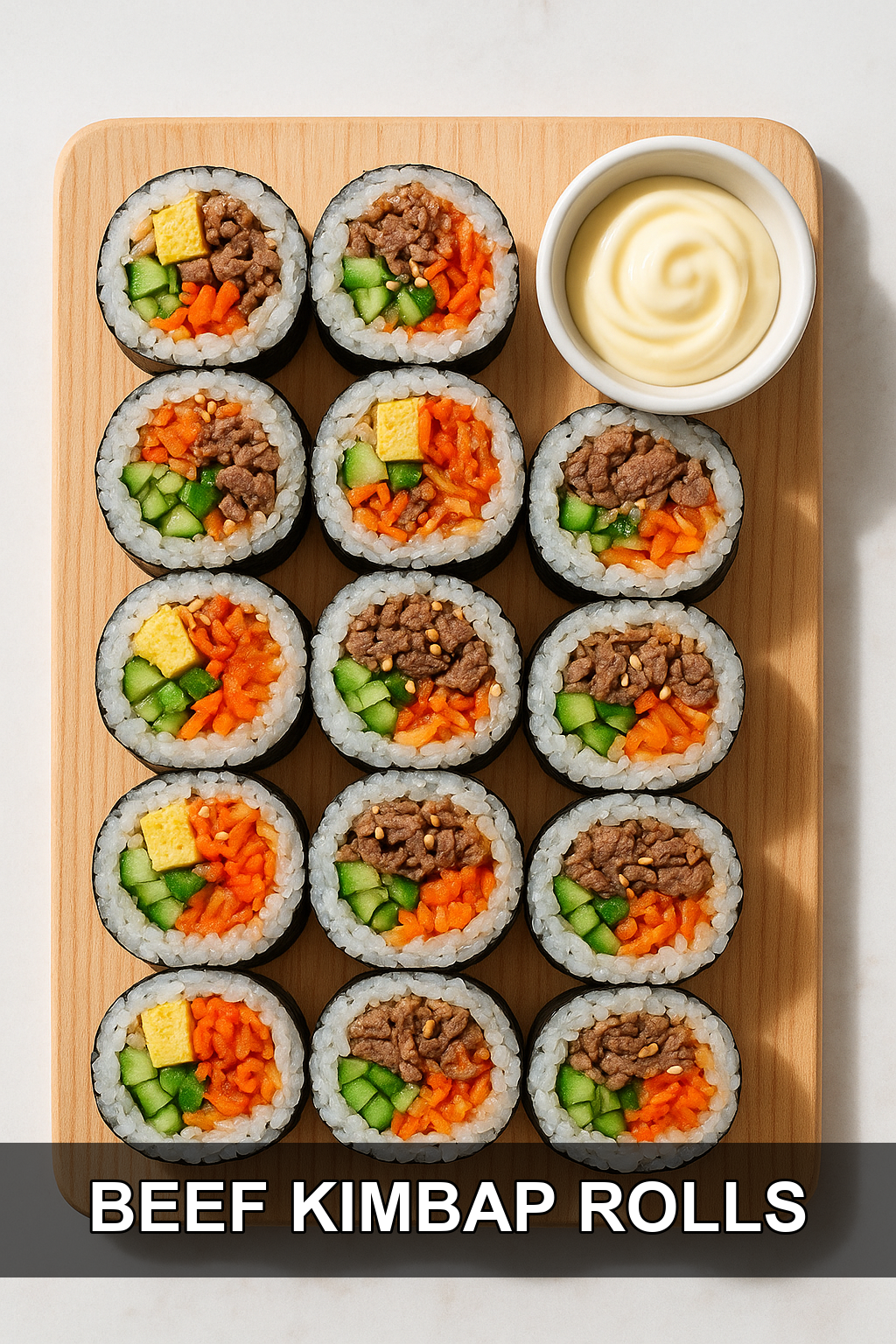
If you’ve never rolled your own kimbap, today is the day. These Korean seaweed rice rolls are packed with savory marinated beef, crisp veggies, fluffy egg, and tangy kimchi, all wrapped up in a neat little package that’s perfect for lunch on the go. It looks fancy, but I promise it’s totally doable in your own kitchen.
What Is Kimbap?
Kimbap (also spelled gimbap) is a beloved Korean dish made by rolling seasoned rice and a variety of fillings inside sheets of dried seaweed, then slicing the roll into bite-sized pieces. While it looks similar to sushi at first glance, kimbap has its own distinct identity: the rice is seasoned with sesame oil instead of vinegar, and the fillings usually include cooked ingredients like marinated beef, egg omelet, and kimchi rather than raw fish.
Traditionally packed for picnics, school lunches, and road trips across Korea, kimbap is prized for being portable, colorful, and endlessly customizable. This version leans into hearty, comforting flavors with juicy bulgogi-style beef, crunchy vegetables, and a punch of kimchi, making it a satisfying meal you can eat with your hands, no chopsticks required.
Tips for Cooking and Prepping
#1: Don’t skip the marinating time
Letting the beef sit in the soy sauce, garlic, ginger, and mirin mixture for a full 20 minutes ensures the meat actually absorbs flavor instead of tasting flat once it’s rolled inside the seaweed.
#2: Keep your rice warm but not steamy
Season the rice with sesame oil and sesame seeds while it’s still warm so the grains stay tender and coat easily, but let it cool slightly before rolling so it doesn’t turn the seaweed soggy.
#3: Slice fillings into thin, uniform strips
Cucumber, carrot, and egg should all be cut into similar-sized thin strips so the roll stays compact and every slice of kimbap has a balanced bite of each ingredient.
#4: Leave that top edge bare
Spreading rice all the way to the top of the seaweed sheet makes it nearly impossible to seal the roll; leaving about an inch uncovered lets you dampen the edge and close the roll tightly.
#5: Use a sharp, wet knife for slicing
A dull knife will squash your carefully rolled kimbap, so use a sharp blade and wipe it with a damp cloth between cuts for clean, neat pieces.
Recipe Variations and Substitutes
Kimbap is incredibly flexible, so feel free to swap in whatever proteins or veggies you have on hand. Try spicy pork, tuna mayo, or grilled tofu instead of beef, or add spinach, pickled radish, or imitation crab for extra color and crunch. Vegetarian kimbap made with just egg, carrot, cucumber, and kimchi is just as satisfying if you want to skip the meat entirely.
Serving Suggestions
Kimbap is a complete meal on its own, but it pairs beautifully with a bowl of miso soup, a side of pickled radish, or a light cucumber salad. For a fun lunch spread, serve it alongside extra kimchi and a drizzle of Kewpie mayo or gochujang for dipping.
Storing and Make-Ahead Tips
Kimbap is best enjoyed the day it’s made, but you can store leftovers wrapped tightly in plastic wrap in the fridge for up to a day. Because the rice firms up and the seaweed can turn chewy when chilled, let rolls sit at room temperature for about 15-20 minutes before slicing and serving for the best texture.
FAQs
Can I make kimbap ahead of time for meal prep?
Yes, you can prep the beef, rice, and vegetables a day ahead and store them separately in the fridge, then assemble and roll the kimbap the morning you plan to eat it for the freshest texture.
Can I freeze kimbap?
Kimbap doesn’t freeze well once assembled because the rice and vegetables become mushy and the seaweed turns rubbery upon thawing, so it’s best made fresh or refrigerated for only a day or two.
Why is my kimbap falling apart when I slice it?
This usually happens if the roll wasn’t packed tightly enough or the seaweed edge wasn’t sealed with water, so roll firmly and dampen the exposed seaweed edge before finishing the roll.
What kind of rice should I use for kimbap?
Short-grain white rice works best because its natural stickiness helps hold the roll together; avoid long-grain or fluffy rice varieties that won’t compress well.
Is kimbap the same as sushi?
No, while they look similar, kimbap uses sesame oil-seasoned rice and cooked fillings like beef and egg, whereas sushi rice is seasoned with vinegar and often includes raw fish.
Kimbap Recipe: Simple & Satisfying Lunch Idea
Prep time: 45 min | Cook time: 20 min | Total time: 65 min | Servings: 6
Ingredients
For the Beef Marinade
- 14 oz sliced beef
- ⅓ cup sliced onion
- 2 tablespoons light soy sauce
- ½ tablespoon minced garlic
- ½ tablespoon minced ginger
- 2 teaspoons mirin
- 2 teaspoons sesame oil
- 1 teaspoon granulated sugar
For the Rice
- 15 oz cooked rice
- 4 teaspoons sesame seeds
- 1 teaspoon sesame oil
For the Rolls
- 3 large eggs
- Salt and pepper, to taste
- 6 seaweed sheets
- 2 oz julienned cucumber
- 2.8 oz shredded carrot
- 5 oz kimchi
- 1 butterhead lettuce
- Extra sesame oil and sesame seeds, for brushing and garnish
- Kewpie mayonnaise, for drizzling (optional)
Instructions
- Combine sliced beef with onion, light soy sauce, garlic, ginger, mirin, sesame oil, and sugar, then mix well and marinate for 20 minutes.
- Crack the eggs into a bowl and season with salt and pepper. Whisk until fully combined.
- Heat cooking oil over medium heat in a pan. Cook the eggs into thin omelets, flipping once.
- Repeat with the remaining egg mixture if needed. Remove from the pan, slice into strips, and set aside.
- Season the cooked rice with sesame seeds and sesame oil. Mix evenly and set aside.
- Heat oil in the same pan over medium-high heat, stir-fry the marinated beef until browned, then transfer to a plate.
- Place a seaweed sheet on a clean workspace.
- Spread about ¾ cup of seasoned rice evenly over the seaweed, leaving about 1 inch uncovered at the top edge.
- Arrange cucumber, carrot, egg slices, beef, and kimchi in rows across the rice.
- Top with butterhead lettuce.
- Roll tightly from the bottom, tucking in the fillings as you roll.
- Starting from the bottom, roll the kimbap tightly while gently tucking in the fillings as you go. Lightly dampen the uncovered edge with water to seal the roll securely.
- Brush the roll lightly with sesame oil and sprinkle with sesame seeds.
- Slice with a sharp knife. Drizzle with Kewpie mayonnaise, if desired, and serve immediately.
For neater slices, chill the rolled kimbap for 10 minutes before cutting, and always wipe your knife clean between slices to prevent sticking.
Leave a Reply
You must be logged in to post a comment.