
- What Is Greek Rice?
- Tips for Cooking and Prepping
- Recipe Variations and Substitutes
- What to Serve with Greek Rice
- Storing, Make-Ahead, and Freezing Tips
- FAQs
- Greek Rice Recipe
If you’ve ever had that irresistibly bright, lemony rice served alongside souvlaki or roasted chicken at a Greek restaurant, this is it. Greek rice is simple pantry-staple cooking done right, with toasted orzo, garlic, and a generous squeeze of lemon turning plain rice into something you’ll want to make on repeat. Let’s break down exactly how to master it at home.
What Is Greek Rice?
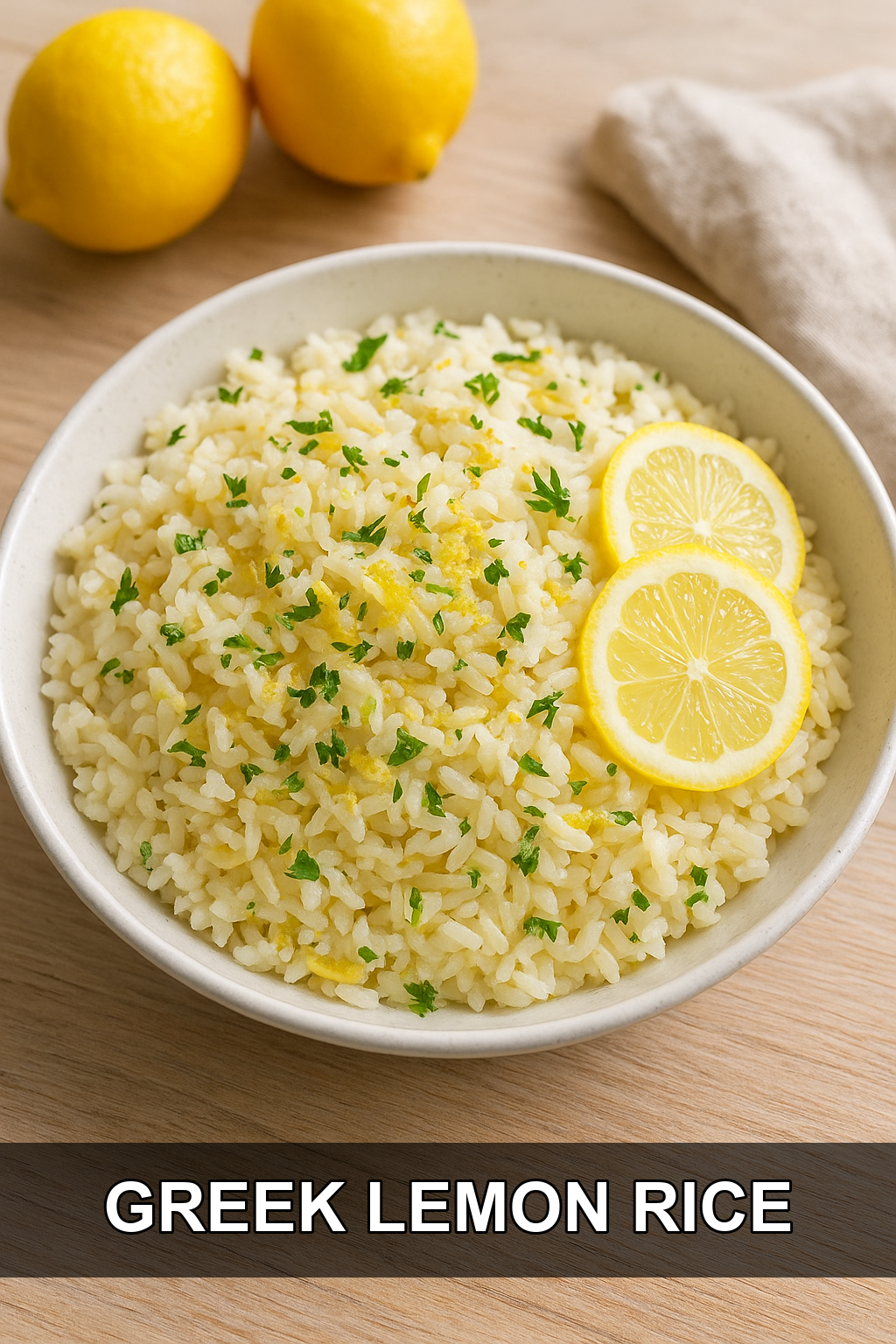
Greek rice, sometimes called Greek lemon rice, is a classic side dish found on tables across Greece and in Greek-American restaurants alike. It’s built on a simple technique: rice and orzo pasta are toasted together with onion and garlic in good olive oil, then simmered in broth brightened with fresh lemon juice. The result is fluffy, fragrant rice with little pops of tender orzo throughout.
What sets this dish apart from plain steamed rice is the layering of flavor at every step, from the toasted aromatics to the citrus-infused broth to the fresh parsley and dill stirred in at the end. It’s humble, budget-friendly, and endlessly versatile, which is exactly why it’s earned a permanent spot in Mediterranean cooking.
Tips for Cooking and Prepping
#1: Rinse and soak the rice
Rinsing basmati rice until the water runs clear removes excess surface starch, and a 15-20 minute soak helps the grains cook up light and separate instead of clumping together.
#2: Toast the orzo until golden
Don’t rush the step where you stir the orzo in the hot oil; letting it pick up some color builds a nutty, toasty flavor that carries through the entire dish.
#3: Use good extra virgin olive oil
Since olive oil is one of the main flavor components here rather than just a cooking fat, a quality Greek extra virgin olive oil makes a noticeable difference.
#4: Let the liquid come to a real boil first
Bringing the broth and lemon juice to a rolling boil before covering and lowering the heat helps the rice cook evenly and absorb the liquid properly.
#5: Don’t skip the resting time
Leaving the pot covered and undisturbed for 10 minutes after cooking allows the rice to finish steaming gently, giving you tender grains instead of a mushy or unevenly cooked pot.
#6: Add herbs and zest at the very end
Stirring in the parsley, dill, and lemon zest only after the rice has rested keeps their flavors fresh and vibrant rather than dulled by prolonged heat.
Recipe Variations and Substitutes
You can swap the basmati for jasmine or another long-grain white rice, though cook times may vary slightly. If you don’t have orzo on hand, small pasta shapes like ditalini work in a pinch, or you can leave it out entirely for a simpler lemon rice. Fresh dill can be used in place of dried (use about a tablespoon), and vegetable broth makes this dish easily vegan and vegetarian-friendly.
What to Serve with Greek Rice
This rice is a natural partner for Greek classics like chicken souvlaki, lamb kebabs, or grilled shrimp, and it also pairs beautifully with roasted vegetables, a Greek salad, and a dollop of tzatziki on the side. It’s hearty enough to serve on its own topped with feta and olives for a light lunch.
Storing, Make-Ahead, and Freezing Tips
Leftover Greek rice keeps well in an airtight container in the refrigerator for up to 4 days. To reheat, sprinkle with a little water or broth and warm in the microwave or in a covered skillet over low heat so the grains don’t dry out. This rice also freezes nicely for up to 2 months; thaw overnight in the fridge before reheating.
FAQs
Can I make Greek rice ahead of time?
Yes, you can cook it a day or two in advance and store it in the fridge, then gently reheat with a splash of broth or water to restore its fluffy texture before serving.
Why do you soak the rice before cooking?
Soaking basmati rice removes extra starch and hydrates the grains slightly, which helps the rice cook up light, fluffy, and separate rather than sticky.
Can I use brown rice instead of basmati?
You can, but brown rice needs significantly more liquid and a longer cook time, so you’ll need to adjust the broth amount and simmer time accordingly.
Is Greek rice supposed to taste very lemony?
Yes, the lemon juice and zest are meant to be prominent, giving the rice its signature bright, tangy flavor that pairs so well with grilled meats and vegetables.
What can I use instead of orzo?
If you don’t have orzo, you can substitute a small pasta shape like ditalini or acini di pepe, or simply omit it for a straightforward lemon rice.
Greek Rice Recipe
Prep time: 15 min | Cook time: 20 min | Total time: 35 min | Servings: 6
Ingredients
- 2 cups basmati rice
- Early Harvest Greek extra virgin olive oil
- 1 medium yellow onion, chopped (just over 1 cup chopped onions)
- 1 garlic clove, minced
- 1/2 cup orzo pasta
- 2 lemons, juiced, plus the zest of 1 lemon
- 2 cups low sodium broth (chicken or vegetable)
- Pinch of salt
- Large handful chopped fresh parsley
- 1 teaspoon dried dill
Instructions
- Rinse and soak the rice: Place the rice in a fine-mesh sieve and rinse well under running water until it runs clear. Soak it in fresh water for about 15 to 20 minutes, then drain.
- Cook the aromatics and toast the orzo: Set a large saucepan over medium-high heat. Add about 3 tablespoons of extra virgin olive oil. Once the oil begins to shimmer, add the onions and cook for 3 to 4 minutes until translucent. Add the garlic and orzo pasta, stirring until the orzo gains some color, then stir in the drained rice.
- Add the liquid: Pour in the lemon juice and broth along with a pinch of salt. Bring the liquid to a rolling boil, letting it reduce slightly, then reduce the heat to low. Cover with a lid and cook for 15 to 20 minutes, or until the rice is tender and the liquid is fully absorbed.
- Remove from heat and steam: Take the pot off the heat, keep it covered, and let it sit undisturbed for 10 minutes to finish steaming.
- Add herbs and serve: Uncover the pot and stir in the parsley, dill, and lemon zest. Garnish with lemon slices if desired, then serve warm.
For extra richness, finish the rice with an additional drizzle of olive oil just before serving, and feel free to adjust the lemon juice to taste depending on how tangy you like it.
Leave a Reply
You must be logged in to post a comment.