
- What Is Sushi Rice?
- Tips for Cooking and Prepping
- Recipe Variations and Substitutes
- Serving Suggestions
- Storing, Make-Ahead, and Freezing Tips
- FAQs
- Easy Sushi Rice Recipe
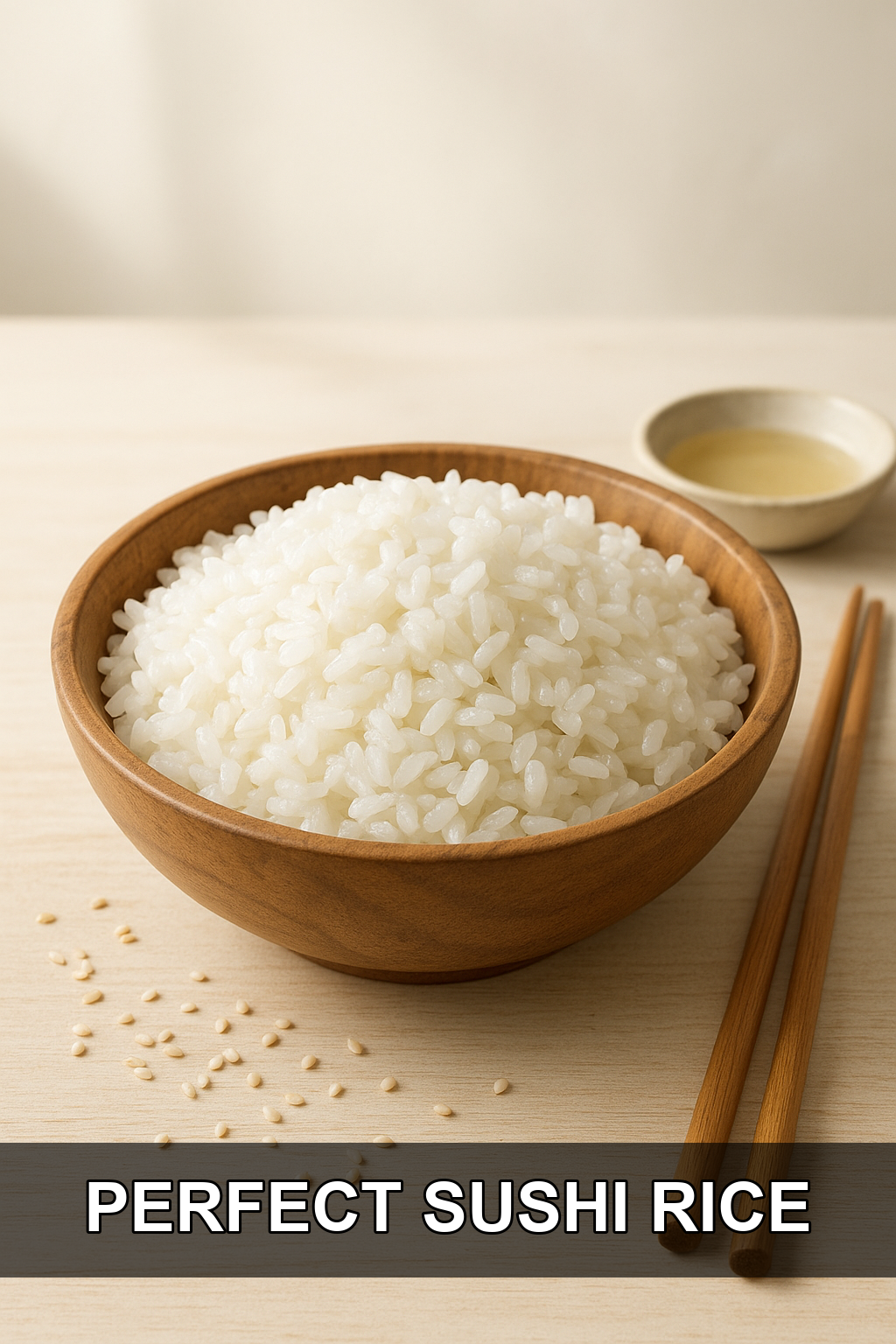
If you’ve ever wondered how sushi restaurants get their rice so perfectly sticky and flavorful, the secret is easier than you think. This easy sushi rice recipe takes just a few pantry staples and about 25 minutes to give you that authentic, slightly tangy, glossy rice you can use for rolls, sushi bowls, or just eating straight out of the bowl.
What Is Sushi Rice?
Sushi rice, also called shari or sumeshi, is short-grain glutinous white rice that’s cooked and then seasoned with a mixture of rice vinegar, sugar, and salt. Unlike everyday steamed rice, sushi rice is prized for its sticky texture, which allows it to hold together in rolls, nigiri, and bowls, while the vinegar seasoning gives it a subtle sweet-and-sour tang that balances raw fish, vegetables, and other fillings.
While it’s a staple of Japanese cuisine, sushi rice has become a kitchen essential far beyond sushi restaurants. Home cooks use it for poke bowls, rice bowls, onigiri, and simple side dishes because it’s easy to make, requires no special equipment, and tastes far better than anything you’d get from a takeout container.
Tips for Cooking and Prepping
#1: Rinse until the water runs clear
Rinsing washes away excess surface starch that can make the rice gummy or clumpy in the wrong way; keep rinsing under cold water until it’s no longer cloudy for the best texture.
#2: Don’t skip the resting time
Letting the rice sit covered for 10 minutes after cooking allows it to finish steaming evenly, so don’t lift the lid early even if you’re tempted to peek.
#3: Cool the vinegar mixture before adding it
Adding hot vinegar seasoning to hot rice can make the grains mushy, so let both the rice and the vinegar mixture cool slightly before combining for the best sticky-but-firm texture.
#4: Use a wooden or plastic spatula to fold, not stir
Metal utensils can crush the delicate grains; a gentle folding motion with a wooden paddle or rice paddle keeps the rice fluffy while distributing the seasoning.
#5: Fan the rice as it cools
Traditional sushi chefs fan the rice while mixing in the vinegar to help it cool quickly and develop a glossy, non-mushy finish, and you can do the same with a hand fan or even a folded piece of paper.
Recipe Variations and Substitutes
You can swap white sugar for a bit of honey or use rice vinegar substitutes like apple cider vinegar in a pinch, though the flavor will be slightly different from traditional sushi rice. Some cooks also add a small piece of kombu (dried seaweed) to the cooking water for an extra layer of umami flavor.
Serving Suggestions
This sushi rice is the perfect base for homemade sushi rolls, nigiri, or sushi bowls topped with fresh vegetables, avocado, and your protein of choice. It’s also delicious served simply with a drizzle of soy sauce, sesame seeds, or as a side to teriyaki chicken or grilled fish.
Storing, Make-Ahead, and Freezing Tips
Store leftover sushi rice in an airtight container in the refrigerator for up to 2 days, though it’s best enjoyed fresh since the texture firms up as it chills. You can also freeze cooled sushi rice in portioned bags for up to a month; just reheat gently with a splash of water to restore some stickiness.
FAQs
Why is my sushi rice mushy?
Mushy rice usually means too much water was used or the vinegar mixture was added while the rice was too hot; stick to the exact water ratio and let both components cool slightly before combining.
Can I make sushi rice without a rice cooker?
Yes! This recipe uses a simple stovetop method with a saucepan, and it works just as well as a rice cooker as long as you follow the boil-then-simmer-then-rest process closely.
What kind of rice should I use for sushi rice?
Use short-grain glutinous white rice, often labeled ‘sushi rice’ at the grocery store, since its higher starch content is what gives sushi rice its signature sticky texture.
Can I make sushi rice ahead of time?
You can prepare it a few hours ahead and keep it covered with a damp towel at room temperature, but for the best texture and flavor, sushi rice is ideal when made and used the same day.
Do I have to use rice vinegar, or can I use regular vinegar?
Rice vinegar is recommended because it’s milder and slightly sweeter than white or apple cider vinegar, which better complements the delicate flavor of the rice without overpowering it.
Easy Sushi Rice Recipe
Prep time: 5 min | Cook time: 20 min | Total time: 25 min | Servings: 15
Ingredients
For the Rice
- 2 cups uncooked glutinous white rice (sushi rice)
- 3 cups water
For the Seasoning
- 0.5 cup rice vinegar
- 0.25 cup white sugar
- 1 tablespoon vegetable oil
- 1 teaspoon salt
Instructions
- Gather all ingredients.
- Rinse rice under cold water in a strainer until the water runs clear.
- Combine rice and water in a saucepan over medium-high heat; bring to a boil. Reduce heat to low, cover, and cook for 12 minutes. Remove from heat and let stand, covered, until tender, about 10 more minutes. The rice will continue to steam. Remove the lid and let the rice cool.
- Meanwhile, combine rice vinegar, sugar, oil, and salt in a small saucepan over medium heat; cook until the sugar has dissolved. Allow the mixture to cool.
- Stir the vinegar mixture into the rice. It may look wet at first, but keep stirring; the rice will dry out and become sticky as it cools.
- Enjoy!
For extra flavor, try adding a small piece of kombu to the rice while it cooks, and always fold rather than stir vigorously to keep the grains intact.
Leave a Reply
You must be logged in to post a comment.