
- What Is Sushi Rice?
- Tips for Cooking and Prepping
- Recipe Variations and Substitutes
- Serving Suggestions
- Storing and Make-Ahead Tips
- FAQs
- Easy Sushi Rice Recipe
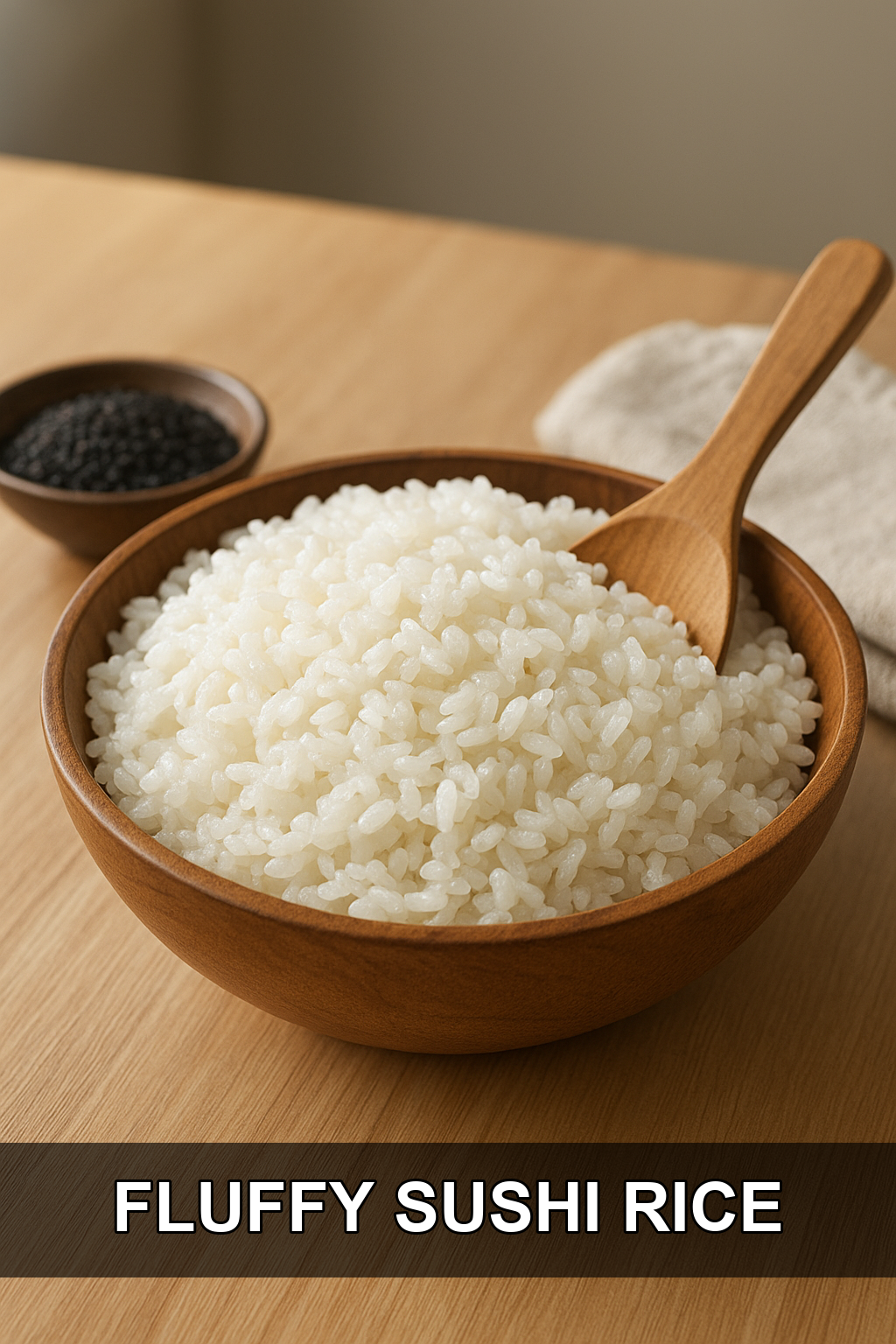
If you’ve ever wondered how sushi restaurants get their rice so glossy, sticky, and perfectly seasoned, the secret is simpler than you think. This easy sushi rice recipe walks you through washing, cooking, and seasoning short-grain rice so it turns out fluffy and flavorful every single time. Once you master this basic technique, homemade sushi night becomes way less intimidating.
What Is Sushi Rice?
Sushi rice, also called shari or sumeshi, is short-grain white rice that’s cooked and then seasoned with a mixture of rice vinegar, sugar, and salt. Unlike regular steamed rice, sushi rice has a slightly sticky texture that helps it hold together, which is essential for rolling maki, shaping nigiri, or forming rice bowls.
The short grains are naturally higher in starch than long-grain varieties, which gives the cooked rice its signature clingy texture. The vinegar seasoning isn’t just for flavor, either — it also gives the rice its classic glossy sheen and helps balance the richness of fish, avocado, and other sushi fillings.
Tips for Cooking and Prepping
#1: Rinse until the water runs clear
Washing away the excess surface starch is what keeps your sushi rice from turning gummy or clumping into a mushy mess. Don’t rush this step — it usually takes several changes of water before it runs clear.
#2: Use a 1:1 water-to-rice ratio
Short-grain sushi rice needs less water than long-grain rice, so stick to equal parts rice and water for the ideal fluffy-yet-sticky texture.
#3: Let the rice steam undisturbed
Resist the urge to lift the lid while the rice cooks or during the resting period afterward. That trapped steam finishes cooking the grains evenly and keeps them fluffy.
#4: Dissolve the vinegar mixture completely
Bring the vinegar, sugar, and salt to a boil so everything melts into a smooth seasoning liquid before it hits the rice, otherwise you’ll end up with gritty pockets of undissolved salt or sugar.
#5: Fold, don’t stir
Use a gentle slicing and folding motion with a spatula or wooden paddle to coat the rice in seasoning without crushing the delicate grains.
#6: Cool the rice to room temperature before rolling
Sushi rice tastes and handles best when it’s cooled down, not hot or cold from the fridge, so give it time to come to room temperature before you start shaping rolls or nigiri.
Recipe Variations and Substitutes
While traditional sushi rice sticks to rice vinegar, sugar, and salt, you can tweak the ratios slightly to suit your taste — a touch more sugar for sweeter rice, or a splash more vinegar for extra tang. Brown short-grain rice can be substituted for a heartier, fiber-rich version, though the texture will be less sticky. Some cooks also add a small piece of kombu (dried kelp) to the cooking water for a subtle umami boost.
Serving Suggestions
This seasoned rice is the foundation for maki rolls, hand rolls, nigiri, and chirashi bowls, but it’s also delicious on its own topped with furikake, avocado, or a drizzle of soy sauce. Try it as a base for a quick poke bowl with cubed sashimi-grade fish, cucumber, and sesame seeds, or use it to make crispy pan-fried sushi rice patties.
Storing and Make-Ahead Tips
Sushi rice is best enjoyed fresh the day it’s made, since refrigeration hardens the starches and dulls that signature soft, sticky texture. If you need to make it ahead, keep it tightly covered at room temperature for a few hours, or store leftovers in the fridge for up to a day and gently reheat with a sprinkle of water before using.
FAQs
Can I make sushi rice without a rice cooker?
Absolutely — a regular pot works great. Just bring the water to a boil uncovered, then reduce the heat, cover, and simmer until the water is absorbed, followed by a 10-minute steaming rest off the heat.
Why is my sushi rice mushy or gummy?
Mushy rice is usually the result of not rinsing the grains thoroughly enough before cooking, or using too much water. Be sure to rinse until the water runs clear and stick to a 1:1 rice-to-water ratio.
What kind of rice vinegar should I use?
Plain, unseasoned rice vinegar is what you want here, since this recipe adds its own sugar and salt. Seasoned rice vinegar already contains sweeteners and salt, which can throw off the balance if used in the same quantity.
Can I freeze leftover sushi rice?
You can freeze it in an airtight, portioned container for up to a month, though the texture softens slightly once thawed. Reheat gently in the microwave with a damp paper towel on top to restore some moisture.
Why do you rinse the rice so many times?
Rinsing removes excess surface starch that would otherwise make the cooked rice overly sticky and clumpy rather than tender with just the right amount of cling.
Easy Sushi Rice Recipe
Prep time: 5 min | Cook time: 30 min | Total time: 35 min | Servings: 4
Ingredients
- 2 cups short-grain white rice (sushi rice)
- 2 cups water (for cooking rice)
- 3 tablespoons rice vinegar
- 2 tablespoons sugar
- 1 tablespoon kosher salt
Instructions
- Place the rice in a large bowl and cover with cold water. Swirl the rice a few times, then pour off the water. Repeat with several changes of water until the water runs clear.
- Drain the rice well and transfer it to a pot or rice cooker. Add 2 cups of water. If using a rice cooker, lock the lid and cook according to the manufacturer’s instructions. If using a pot, bring the water to a boil uncovered, then reduce the heat to low, cover, and cook for 15-20 minutes, or until the water is absorbed. Remove from the heat and let sit, covered, for 10 minutes to steam.
- Meanwhile, combine the vinegar, sugar, and salt in a small saucepan. Bring to a boil and cook until the sugar and salt are fully dissolved.
- Transfer the cooked rice to a large bowl. Drizzle the vinegar mixture over the top. Using a rubber spatula or wooden paddle, fold and turn the rice until every grain is coated. Let cool before using.
For extra flavor, try adding a small strip of kombu to the cooking water, and remove it before seasoning the rice. Use a wooden bowl if you have one, as it helps absorb excess moisture while you fold in the vinegar mixture.
Leave a Reply
You must be logged in to post a comment.