
- What Is Arroz Con Gandules?
- Tips for Cooking and Prepping
- Recipe Variations and Substitutes
- Serving Suggestions
- Storing, Make-Ahead, and Freezing Tips
- FAQs
- Arroz Con Gandules Puerto Rican Recipe
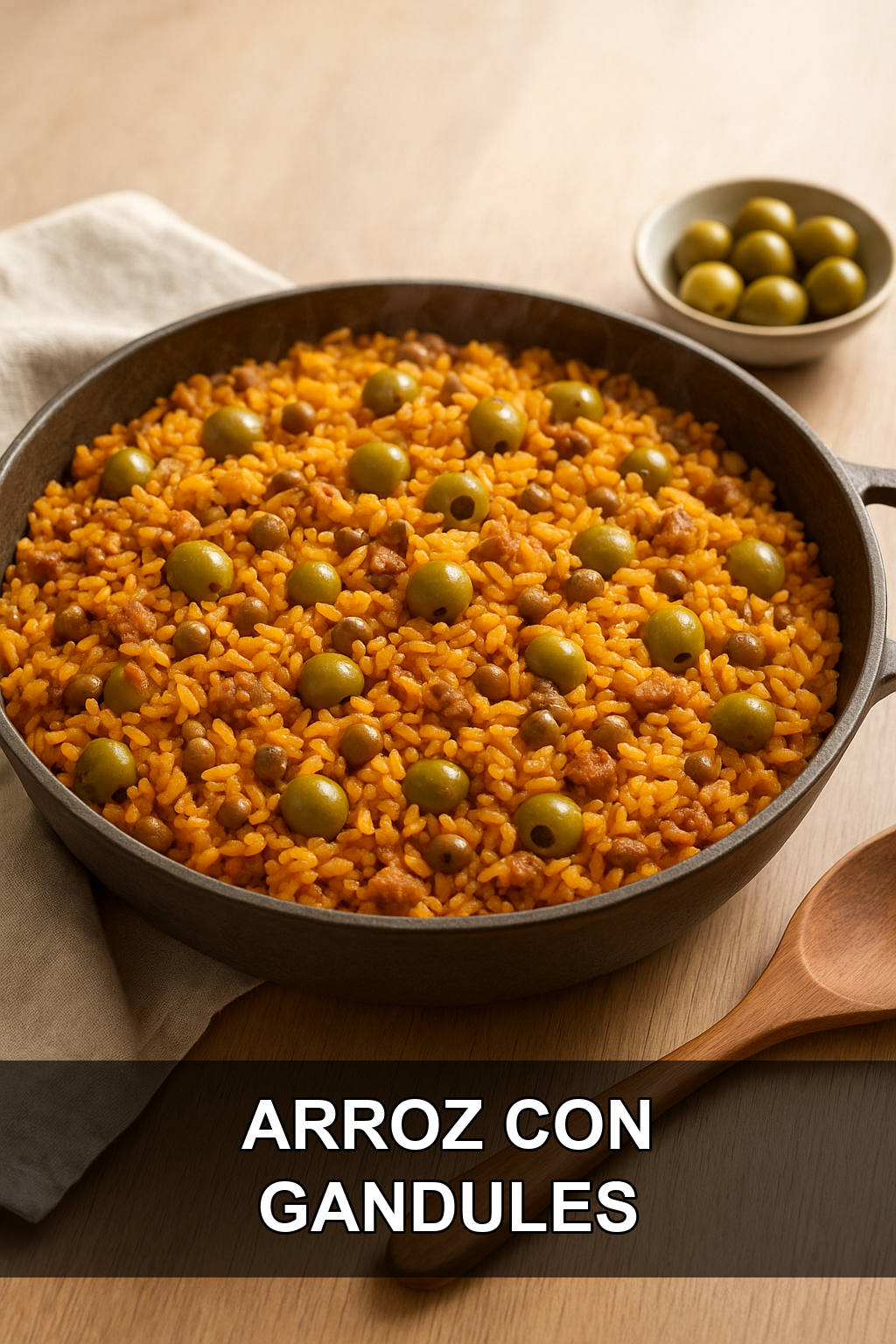
If you’ve never made arroz con gandules at home, tonight is the night to change that. This one-pot Puerto Rican classic layers savory pork, sofrito, and pigeon peas into fluffy, golden rice that tastes like it simmered all day, even though it comes together in under an hour.
What Is Arroz Con Gandules?
Arroz con gandules is a beloved Puerto Rican rice dish made by cooking rice together with gandules (pigeon peas), sofrito, and a blend of savory seasonings until every grain is infused with flavor and stained a warm golden-orange from achiote-based sazón. It’s often called the unofficial national dish of Puerto Rico, and it shows up on nearly every holiday table, especially around Thanksgiving and Christmas, alongside pernil and pasteles.
What makes arroz con gandules special isn’t just the ingredient list, it’s the technique. The rice is toasted in rendered pork fat and olive oil before any liquid is added, then simmered and finally steamed under a tightly sealed lid so it finishes tender, moist, and never mushy. The result is a comforting, deeply savory rice that can stand on its own as a meal or serve as the perfect side to roasted meats.
Tips for Cooking and Prepping
#1: Rinse the rice until the water runs clear
Rinsing long grain rice 3-4 times removes excess surface starch, which keeps the finished dish fluffy instead of gummy or clumped together.
#2: Let the pork marinate if you have time
Tossing the pork chunks in the spice blend and letting it sit for at least 30 minutes (up to 24 hours in the fridge) gives the meat a chance to really soak up flavor before it hits the hot oil.
#3: Don’t skip toasting the rice
Sautéing the rinsed rice in the pork fat and olive oil for a few minutes until it looks glossy builds a nutty base flavor that plain boiled rice just can’t achieve.
#4: Save that gandules liquid
The liquid strained from the can of pigeon peas is packed with flavor, so pouring it into your measured water instead of dumping it down the drain makes the rice taste richer.
#5: Seal the pot properly for the steaming step
Pressing a sheet of foil between the pot and the lid creates a tight seal that traps steam, which is what gives arroz con gandules its signature tender texture without any burning on the bottom.
#6: Resist lifting the lid early
Peeking during the 20-minute steaming phase releases the trapped steam and can leave you with unevenly cooked rice, so trust the process and wait until time is up.
Recipe Variations and Substitutes
This dish is easy to customize depending on what you have on hand or your dietary preferences. Swap the pork chops for smoked ham, cooked chorizo, or leave the meat out entirely and use vegetable bouillon for a vegetarian version. You can also make your own achiote oil by warming olive oil with annatto seeds if you want a deeper color and flavor instead of using plain olive oil.
Serving Suggestions
Arroz con gandules is hearty enough to serve as a main dish with a simple side salad or avocado slices, but it truly shines as a side dish alongside roasted pernil, pollo guisado, or fried plantains (tostones or maduros). It’s also a natural fit for holiday spreads, potlucks, or Sunday family dinners.
Storing, Make-Ahead, and Freezing Tips
Leftover arroz con gandules keeps well in an airtight container in the refrigerator for 4-5 days. To freeze, cool the rice completely and portion it into freezer-safe bags or containers for up to 3 months. Reheat gently on the stovetop or in the microwave with a splash of water to loosen the grains and restore moisture.
FAQs
What are gandules and where do I find them?
Gandules are pigeon peas, a small legume commonly sold canned in the international or Latin foods aisle of most grocery stores. Canned pigeon peas are pre-cooked and ready to use, which makes this recipe much faster than starting with dried peas.
Do I really need sofrito and sazón, or can I skip them?
Sofrito and sazón con achiote are what give this dish its signature flavor and color, so they’re worth seeking out at any Latin grocery store or in the international aisle. You can make sofrito at home in a food processor if you can’t find it prepared, but skipping it will change the character of the dish significantly.
Why is my rice mushy or too wet?
Mushy rice usually means there was too much liquid relative to the rice, or the pot wasn’t given enough time uncovered to let excess moisture evaporate. If this happens, simply cook it uncovered for another 10 minutes to dry it out before serving.
Can I make this vegetarian?
Yes, simply omit the pork, use vegetable bouillon instead of chicken base, and sauté the rice directly in olive oil or achiote oil instead of rendered pork fat. The sofrito, sazón, and gandules still deliver plenty of flavor on their own.
What pot works best for arroz con gandules?
A traditional caldero (a wide, shallow Puerto Rican pot) is ideal because its shape helps the rice cook evenly and develop a slightly crispy bottom layer called concón. A heavy-bottomed Dutch oven with a tight-fitting lid works well as a substitute.
Arroz Con Gandules Puerto Rican Recipe
Prep time: 10 min | Cook time: 45 min | Total time: 55 min | Servings: 12
Ingredients
For the Seasoning Blend
- 1 tablespoon (15 grams) Adobo (or 1-2 teaspoons for low sodium option)
- 2 1/2 teaspoons (10 grams or 2 packets) Sazón con achiote
- 2 teaspoons (6 grams) onion powder
- 2 teaspoons (6 grams) granulated garlic
- 1 teaspoon dried oregano leaves
- 3/4 teaspoon (3 grams) black pepper
For the Rice
- 1 cup (2 small or 200-300 grams) pork chops, cut into small chunks
- 1/4 cup (60 milliliters) extra virgin olive oil (or achiote oil)
- 3 cups (655 grams) long grain rice, rinsed 3-4 times in cold water
- 1/2 cup (130 grams) sofrito
- 1/2 cup (120 milliliters or 4 ounces) tomato sauce
- 6 manzanilla olives, pitted
- 1 teaspoon capers
- 1 teaspoon (8 grams) chicken bouillon base (or vegetable base), optional
- 2 cups water, plus liquid strained from gandules
- 15.5 ounce can (439 grams) gandules (pigeon peas), liquid strained into the water for boiling
- kosher salt or adobo, to taste
Instructions
- In a small bowl, combine the adobo, sazón, onion powder, granulated garlic, oregano, and black pepper. Stir together to combine well.
- In a mixing bowl, sprinkle 1 heaping teaspoon of the spice blend onto the chunks of pork. Toss to coat the meat and allow the seasoning to penetrate for 30 minutes to 24 hours. Reserve the remaining spice blend for seasoning the rice.
- Heat the olive oil over medium-high heat in a 5-quart caldero (or heavy bottom Dutch oven). When the oil begins to shimmer, add the seasoned pork chunks and cook, stirring frequently, for 3-4 minutes, or just until it begins to brown.
- Stir the rinsed rice into the pot with the meat and sauté in the rendered fat and olive oil, tossing frequently, for 2-3 minutes over medium-high heat, or until the grains look glossy.
- Add the sofrito to the pot and sauté for 2 minutes, scraping the bottom of the pot to keep the rice from sticking. If using frozen sofrito, don’t worry if it’s not fully thawed, it will finish thawing as the rice cooks.
- If the rice begins sticking or burning, lower the heat to medium. Add the tomato sauce, the remaining spice blend, the water, and the reserved liquid from the gandules. Stir well to combine.
- Add the olives, capers, chicken base, and drained gandules. Stir everything together, then bring the liquid up to a boil.
- Boil until the surface of the rice peeks through the liquid, about 8-10 minutes over medium to medium-high heat. Once most of the water has evaporated, fold the rice from the outside of the pot toward the center all around the pot.
- Spread the rice back into an even layer and reduce the heat to low. Lay a square of aluminum foil over the pot, wide enough to overlap the sides, and press the lid firmly on top to seal.
- Steam over low heat for 20 minutes without lifting the lid. After 20 minutes, fold the rice from the outside to the inside again and taste; it should be soft and tender.
- If the rice is still hard, add 1/4 cup water, reseal with foil and the lid, and steam for 10 more minutes. If it’s mushy and clumping, cook uncovered for another 10 minutes to dry it out.
- Once cooked, replace the lid, turn off the heat, and let the pot sit on the warm burner until ready to serve. Scoop and serve as an entree with a side salad, or as a side dish.
For a deeper color and flavor, swap plain olive oil for homemade achiote oil made by warming oil with annatto seeds. This dish tastes even better the next day once the flavors have had time to meld, making it a great make-ahead option for gatherings.
Leave a Reply
You must be logged in to post a comment.